Discover expert articles on AI, SaaS, software, marketing, SEO, affiliate marketing and startup growth.
Discover expert articles on AI, SaaS, software, marketing, SEO, affiliate marketing and startup growth.
By LoyAnn Sherwood
Published on Apr 13, 2026

Wondering how to really make your blog shine? It’s all about being strategic and consistent. To maximize your blogging potential, you need to focus on a few key areas: creating high-quality content that resonates with your audience, understanding how to get that content in front of the right people, and then keeping them engaged. It’s not rocket science, but it does take some thoughtful effort.
Before you write another word, take a step back and really think about what you’re blogging about and who you’re writing for. This isn’t just about having a topic; it’s about carving out a specific space for yourself where you can offer unique value.
What are you passionate about? What do you have expertise in, or what are you genuinely curious to learn and share? Your niche should be specific enough to stand out but broad enough to offer a range of content possibilities. Instead of “travel,” think “budget backpacking in Southeast Asia” or “accessible travel for families.” This focus helps attract a dedicated readership.
Imagine your ideal reader. What are their demographics? What are their interests, challenges, and goals related to your niche? Give them a name, an age, a profession. Understanding these “reader personas” will guide your content creation. You’ll know what kind of problems to solve, what questions to answer, and what tone will best connect with them. This also helps you avoid writing into a void.
See what others in your niche are doing. What topics are they covering? How are they engaging their audience? This isn’t to replicate their success but to identify gaps, find inspiration, and understand what’s already out there. Can you offer a different perspective, go into more depth, or present information in a more user-friendly way?
If you’re looking to enhance your blogging journey and discover new ways to monetize your efforts, you might find this article particularly helpful. It outlines various strategies for earning money from home, which can be beneficial for bloggers seeking additional income streams. To learn more about these methods, check out the article here: 5 Ways to Earn Money from Home.
Your blog’s content is its heart. It’s what attracts readers and keeps them coming back. Think of it as a conversation; you’re providing helpful, interesting, or entertaining information that your audience actually wants.
Don’t just wing it. Map out your content. This involves brainstorming topic ideas based on your niche and audience research, planning out different content formats (how-tos, lists, reviews, interviews, personal stories), and creating an editorial calendar. This ensures you have a steady stream of fresh material.
While consistency is important, publishing mediocre content regularly won’t help you. Focus on creating well-researched, well-written, and engaging posts. This means putting in the time to get the facts right, structuring your posts logically, and using clear, concise language.
While short, punchy posts have their place, longer, more comprehensive articles can establish you as an authority. These pieces, often called “pillar content” or “cornerstone content,” cover a topic extensively, answering all the questions a reader might have. They tend to rank better in search engines and are highly shareable.
People are visual creatures. Break up your text with relevant images, infographics, videos, or even audio clips. High-quality visuals make your content more appealing and easier to digest. Make sure images are optimized for web use to avoid slow loading times.
Your headline is the first impression. It needs to be clear, intriguing, and accurately reflect the content of your post. Spend time crafting headlines that grab attention and make people want to click. Use keywords your audience might be searching for.

If you want people to find your blog, you need to help search engines understand what it’s about. This is where Search Engine Optimization (SEO) comes in. It’s not as daunting as it sounds; it’s about making your content accessible and relevant to search algorithms.
Keywords are the words and phrases people type into search engines. You need to understand which keywords your target audience is using. Tools like Google Keyword Planner or Ubersuggest can help you discover these. Focus on long-tail keywords (more specific phrases) which often have less competition and attract more targeted traffic.
This refers to optimizing elements on your blog:
Search engines also look at how easy your content is to read. Short sentences, short paragraphs, and the use of headings and subheadings all contribute to good readability. People are more likely to stay on your page longer if it’s easy to scan and understand.
Sure, here is the sentence with the clickable link:
I would like to Submit Guest Post on your website.
Get first access to exclusive software reviews, hand-picked SaaS lifetime deals, and digital growth strategies delivered straight to your inbox. No spam, ever—just pure software value to scale your business.
60 subscribers have joined!
If you love lifetime SaaS deals as much as I do, then please subscribe to our monthly/weekly AppLuxe newsletter.
Marcus Vance, SaaS Specialist

Writing great content is only half the battle. You need to actively promote it to get it seen. This involves being where your audience already is and sharing your valuable insights.
Don’t just blast links. Understand which social platforms your audience uses. Tailor your posts to each platform. Engage in conversations, share snippets, ask questions, and use relevant hashtags. Building a community on social media can drive significant traffic to your blog.
This is one of the most powerful ways to connect with your most engaged readers. Offer a valuable incentive (like a free guide or checklist) in exchange for their email address. Then, send out regular newsletters with your latest posts, exclusive content, or curated resources. Your email list is an asset you own, unlike social media followers.
Consider creating “content upgrades” – exclusive, bonus content that’s directly related to a specific blog post. This is often highly effective for encouraging sign-ups because it offers immediate, tailored value.
Writing for other blogs in your niche can expose you to a new audience. It’s a way to build your authority and drive referral traffic. Similarly, collaborating with other bloggers on joint projects or interviews can be mutually beneficial.
Blogging has become an essential tool for many businesses and individuals looking to share their insights and connect with audiences. As the digital landscape evolves, staying updated on related trends is crucial. For instance, understanding the latest advancements in mobile app development can greatly enhance your blogging strategy. You can explore these trends in detail in this informative article on mobile app development, which highlights how integrating new technologies can improve user engagement and content delivery.
| Metrics | Data |
|---|---|
| Number of Blog Posts | 50 |
| Monthly Website Traffic | 10,000 |
| Average Time Spent on Blog | 3 minutes |
| Number of Comments | 200 |
A blog is a two-way street. It’s not just about you broadcasting information; it’s about fostering a connection with your readers. This builds loyalty and encourages repeat visits.
Make it easy for people to comment on your posts. Respond to comments promptly and thoughtfully. Ask questions at the end of your posts to spark conversation. A lively comments section shows engagement and provides valuable feedback.
Whether it’s in comments, emails, or social media, take time to acknowledge and respond to your readers. This shows you value their input and are invested in their experience. It can also uncover new content ideas.
While encouraging comments is good, you also need to moderate them. Deal with spam or inappropriate comments swiftly to maintain a positive and welcoming environment.
Think about how you can make your readers feel like they’re part of something. This could be through exclusive content for subscribers, community forums, or simply by consistently providing helpful and relatable information. When readers feel connected, they are more likely to become advocates for your blog.
To improve, you need to know what’s working and what’s not. This is where analytics come in. Don’t be afraid of the numbers; they’re your guide to getting better.
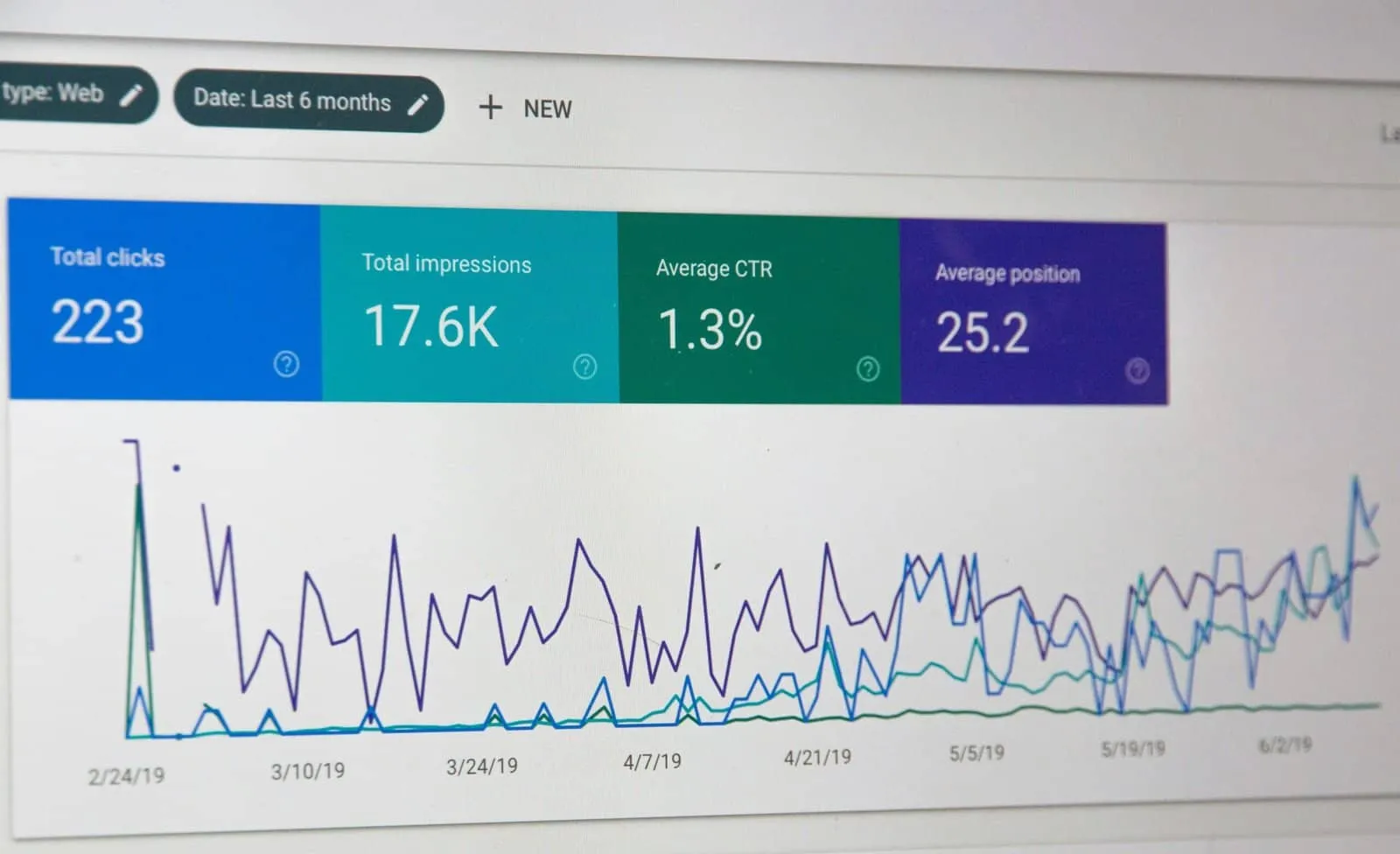
Google Analytics is a free tool that provides invaluable insights into your blog’s traffic. You can see which posts are most popular, where your visitors are coming from, how long they’re staying on your site, and much more.
Pay attention to metrics like:
Look at which of your posts get the most views, shares, and comments. What do these posts have in common? Can you replicate their success by creating more content in a similar vein or by updating and expanding on popular topics?
Don’t stick to a plan that isn’t working. Use the data you gather to refine your content strategy, your promotion efforts, and even your niche. If certain topics consistently fall flat, investigate why. If a particular social media platform is driving a lot of traffic, invest more effort there. Blogging is an ongoing learning process, and data is your best teacher.
Blogging is the act of writing and publishing content on a website, typically in a conversational or informal style. Bloggers often share their thoughts, experiences, and expertise on a particular subject.
People blog for a variety of reasons, including sharing their knowledge and expertise, building a personal or professional brand, connecting with like-minded individuals, and even making money through advertising or sponsored content.
To start a blog, you’ll need to choose a blogging platform, such as WordPress or Blogger, and select a domain name and hosting service. Then, you can customize your blog’s design, create content, and start publishing posts.
Blogging can have numerous benefits, including establishing authority in a particular niche, building a community of followers, improving writing and communication skills, and even generating income through monetization strategies.
You can promote your blog through various channels, such as social media, email marketing, guest posting on other blogs, search engine optimization (SEO), and networking with other bloggers and influencers in your niche.

LoyAnn Sherwood is the CEO and Founder of AppLuxe. She spent approximately 25 years in the healthcare industry before transitioning to digital entrepreneurship. Sherwood founded AppLuxe in 2026 after acquiring the domain and identifying an opportunity to build a luxury-positioned app and software marketplace. She manages the platform's editorial direction and business development strategy.
Get first access to exclusive software reviews, hand-picked SaaS lifetime deals, and digital growth strategies delivered straight to your inbox. No spam, ever—just pure software value to scale your business.
60 subscribers have joined!
If you love lifetime SaaS deals as much as I do, then please subscribe to our monthly/weekly AppLuxe newsletter.
Marcus Vance, SaaS Specialist