Discover expert articles on AI, SaaS, software, marketing, SEO, affiliate marketing and startup growth.
Discover expert articles on AI, SaaS, software, marketing, SEO, affiliate marketing and startup growth.
By LoyAnn Sherwood
Published on Apr 19, 2026
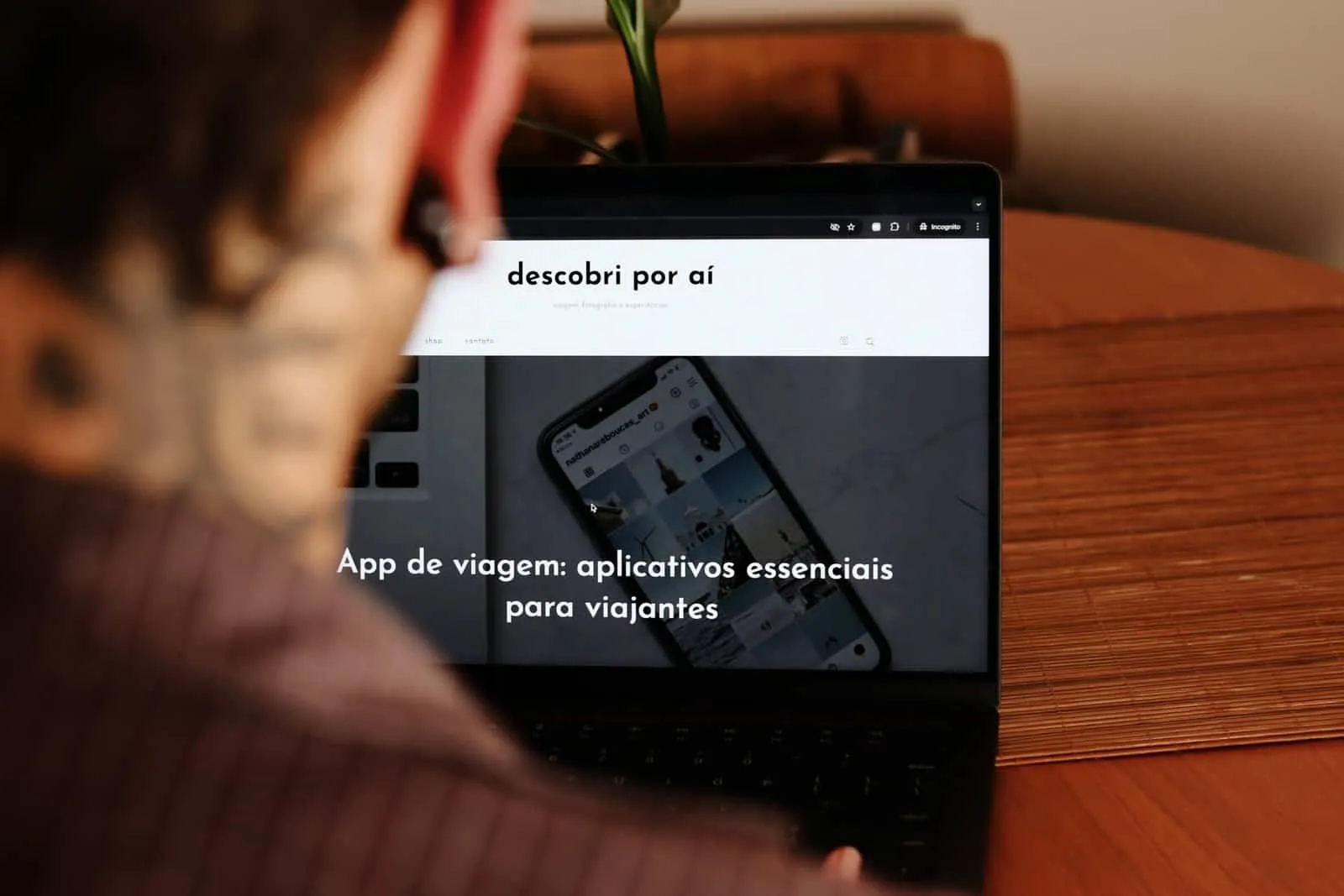
So, you’re thinking about diving into the world of blogging, or maybe you’ve started and are wondering how to really make it work. The core of mastering blogging isn’t some secret magic trick; it’s about understanding your audience, creating valuable content, and consistently putting it out there in a way that resonates. It’s a marathon, not a sprint, and success comes from a thoughtful approach to a few key areas.
Before you write a single word, it’s crucial to figure out not just what you want to blog about, but who you want to reach. This isn’t about picking something you think will be popular; it’s about finding that sweet spot where your passion and expertise meet a real need or interest from other people.
Think about what genuinely fascinates you. What do you find yourself talking about with friends, reading about endlessly, or learning about in your spare time? This could be anything from craft brewing and vintage fashion to sustainable living or even very specific software troubleshooting.
Once you have a general idea of your topic, start picturing your ideal reader. Don’t just think “people interested in X.” Get more specific.
If you’re looking to enhance your blogging strategies, you might find it beneficial to explore various content formats that engage your audience more effectively. One insightful article that discusses the importance of storytelling in digital content is available at this link. It delves into how incorporating narrative elements can captivate readers and keep them coming back for more, ultimately boosting your blog’s success.
This is the heart of any successful blog. Your content needs to be more than just words on a page; it needs to offer value, engage your readers, and keep them coming back for more.
Your blog posts need to be well-researched, clearly written, and directly relevant to your chosen niche and target audience.
Think beyond just informative articles. Variety can keep your blog dynamic and appeal to different learning styles.
Web readers have different habits than book readers. You need to make your content easy to consume.
Creating great content is only half the battle. You need to get it in front of people. This involves actively building your brand and engaging with your community.
Making your blog posts discoverable by people searching online is fundamental.
Social media platforms are powerful tools for driving traffic and building community around your blog.
An email list is one of the most valuable assets a blogger can have. It gives you a direct line of communication with your most engaged readers.
Sure, here is the sentence with the clickable link:
I would like to Submit Guest Post on your website.
Blogging isn’t just about broadcasting information; it’s about fostering a two-way conversation. Building a community around your blog makes it more dynamic and sticky.
This is a relatively simple yet highly effective way to show you value your readers.
Don’t just expect people to come to you. Go out and be a part of the larger conversation in your niche.
When exploring effective blogging strategies, it’s essential to consider various approaches that can enhance your content’s reach and engagement. One insightful resource on this topic can be found in a related article that discusses innovative techniques for attracting and retaining readers. By implementing these strategies, bloggers can significantly improve their online presence and foster a loyal audience. For more information, you can check out this helpful article that delves deeper into the nuances of successful blogging.
While the primary focus should always be on providing value, eventually you might want to explore ways to make money from your blog.
Relying on a single income stream can be risky. Diversifying your monetization efforts provides more stability.
When monetizing, always prioritize your readers’ trust.
Mastering blogging is an ongoing journey of learning and adaptation. By focusing on creating valuable content, understanding your audience, actively engaging with your community, and strategically promoting your work, you’ll be well on your way to building a successful and sustainable blog.
Get first access to exclusive software reviews, hand-picked SaaS lifetime deals, and digital growth strategies delivered straight to your inbox. No spam, ever—just pure software value to scale your business.
60 subscribers have joined!
If you love lifetime SaaS deals as much as I do, then please subscribe to our monthly/weekly AppLuxe newsletter.
Marcus Vance, SaaS Specialist
Some effective blogging strategies include creating high-quality content, optimizing for search engines, promoting on social media, engaging with your audience, and collaborating with other bloggers.
You can improve your blog’s visibility by using search engine optimization (SEO) techniques, promoting your content on social media, guest posting on other blogs, and participating in online communities and forums.
You can engage with your blog audience by responding to comments, asking for feedback, conducting polls and surveys, hosting contests and giveaways, and creating interactive content such as quizzes and polls.
You can monetize your blog through various methods such as affiliate marketing, sponsored content, selling digital or physical products, offering online courses or consulting services, and displaying advertisements.
Some common mistakes to avoid in blogging include neglecting SEO, not promoting your content, not engaging with your audience, being inconsistent with your posting schedule, and not having a clear monetization strategy.


LoyAnn Sherwood is the CEO and Founder of AppLuxe. She spent approximately 25 years in the healthcare industry before transitioning to digital entrepreneurship. Sherwood founded AppLuxe in 2026 after acquiring the domain and identifying an opportunity to build a luxury-positioned app and software marketplace. She manages the platform's editorial direction and business development strategy.
Get first access to exclusive software reviews, hand-picked SaaS lifetime deals, and digital growth strategies delivered straight to your inbox. No spam, ever—just pure software value to scale your business.
60 subscribers have joined!
If you love lifetime SaaS deals as much as I do, then please subscribe to our monthly/weekly AppLuxe newsletter.
Marcus Vance, SaaS Specialist