Discover expert articles on AI, SaaS, software, marketing, SEO, affiliate marketing and startup growth.
Discover expert articles on AI, SaaS, software, marketing, SEO, affiliate marketing and startup growth.
By LoyAnn Sherwood
Published on Apr 20, 2026

Before diving into the writing process, it’s crucial to grasp who you’re writing for and what the publication expects. Each audience has its own preferences, interests, and level of expertise. For instance, a tech blog might cater to industry professionals who appreciate in-depth analysis, while a lifestyle magazine may target casual readers looking for quick tips. Understanding these nuances can significantly influence how you approach your content.
Equally important are the publication guidelines. Most outlets provide specific instructions regarding word count, formatting, and submission processes. Ignoring these can lead to immediate rejection, regardless of how well-written your piece is. Take the time to read through these guidelines carefully. They often contain valuable insights about the publication’s voice and style, which can help you align your pitch with their expectations.
If you’re looking to enhance your guest posting strategy, it’s essential to understand the fundamentals of blogging first. A great resource for beginners is the article titled “Getting Started with Blogging: A Beginner’s Guide,” which provides valuable insights into the basics of blogging and how to effectively engage with your audience. You can read the article here: Getting Started with Blogging: A Beginner’s Guide. This guide will help you build a solid foundation that can complement your guest posting efforts.
Once you have a solid understanding of your audience and the publication’s guidelines, it’s time to craft your pitch. A compelling pitch is more than just a summary of your article; it’s an invitation for the editor to see the value in your idea. Start with a strong hook that captures attention right away. This could be a surprising statistic, a provocative question, or a brief anecdote that relates to your topic.
In addition to grabbing attention, your pitch should clearly outline what the reader will gain from your article. Editors are looking for content that not only fits their publication but also resonates with their audience. Highlight the unique angle you’re bringing to the table and why it matters. If you can demonstrate that your piece will engage readers and provide them with actionable insights, you’ll have a much better chance of getting noticed.
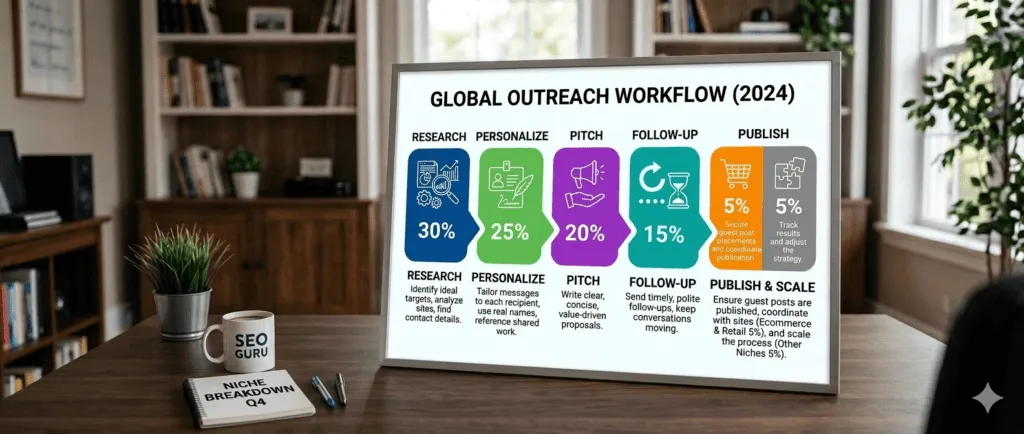
Researching the target publication is an essential step that can’t be overlooked. Familiarize yourself with their recent articles, paying attention to topics they cover and the style they employ. This will give you a clearer picture of what works and what doesn’t within that specific context. Look for patterns in their content—are they more analytical or narrative-driven? Do they prefer first-person accounts or objective reporting?
Additionally, understanding the publication’s mission and values can help you align your pitch accordingly. If they emphasize sustainability, for example, framing your article around eco-friendly practices will resonate more with their editorial direction. This research not only informs your writing but also shows editors that you’re invested in contributing to their platform.
Once you’ve secured a green light for your article, it’s time to tailor your content to fit the publication’s style and tone. Each outlet has its own voice—some may be conversational and informal, while others might lean towards a more academic or professional tone. Adapting your writing style to match this voice is crucial for maintaining consistency across the publication.
Consider the language you use as well. If the publication often employs jargon or technical terms, it’s appropriate to include them in your piece. Conversely, if they favor accessible language, aim for clarity and simplicity. This doesn’t mean dumbing down your content; rather, it’s about making sure your message is communicated effectively within the framework of their established style.
If you’re looking to enhance your guest posting strategy, you might find valuable insights in a related article that discusses effective techniques for maximizing your outreach efforts. By implementing these tips, you can significantly improve your chances of securing high-quality backlinks and increasing your online visibility. For more information, check out this helpful resource on ecommerce strategies that can complement your guest posting efforts.
Get first access to exclusive software reviews, hand-picked SaaS lifetime deals, and digital growth strategies delivered straight to your inbox. No spam, ever—just pure software value to scale your business.
60 subscribers have joined!
If you love lifetime SaaS deals as much as I do, then please subscribe to our monthly/weekly AppLuxe newsletter.
Marcus Vance, SaaS Specialist
| Tip | Description |
|---|---|
| Research | Find relevant blogs and websites that accept guest posts. |
| Quality Content | Create high-quality and original content for submission. |
| Personalization | Customize your pitch and content for each target site. |
| Follow Guidelines | Adhere to the guest posting guidelines provided by the target site. |
| Build Relationships | Engage with the site owners and editors to build rapport. |
Building relationships with editors and contributors can be incredibly beneficial for your writing career. Networking within the industry opens doors for future opportunities and collaborations. Start by engaging with editors on social media or through email—comment on their articles or share relevant insights that demonstrate your expertise.
When you submit a piece, consider including a brief note expressing your appreciation for their work or mentioning how you’ve enjoyed previous articles from their publication. This personal touch can make a difference in how your submission is received. Over time, as you establish rapport, editors may become more inclined to consider your pitches favorably.
Sure, here is the sentence with the clickable link:
Please proceed to Guest Post Payment to complete your transaction.
Your unique perspective is one of your greatest assets as a writer. Leverage your expertise by incorporating personal experiences or specialized knowledge into your articles. This not only adds authenticity but also sets you apart from other contributors who may be covering similar topics.
Think about what makes your viewpoint distinct. Perhaps you have firsthand experience in a particular field or have conducted research that sheds new light on an issue. By weaving these elements into your writing, you create a richer narrative that engages readers on a deeper level. Editors appreciate fresh insights that challenge conventional thinking, so don’t hesitate to showcase what makes your perspective valuable.
After submitting your article, it’s important to know when and how to follow up. Many publications receive numerous submissions, so it’s not uncommon for responses to take time. Generally, waiting about two weeks before sending a polite follow-up email is appropriate. In this email, express your continued interest in the piece and inquire about its status.
Keep your follow-up brief and professional; editors are busy people and appreciate concise communication. If they respond positively, great! If not, don’t take it personally—rejections are part of the process. Use this as an opportunity to learn and refine your approach for future submissions.
The way you format and structure your article can significantly impact its readability and overall effectiveness. Start with a strong introduction that sets the stage for what’s to come. Use subheadings to break up sections and guide readers through your argument or narrative.
Bullet points or numbered lists can also enhance clarity, especially when presenting complex information or tips. Additionally, incorporating visuals like images or infographics can make your piece more engaging and visually appealing. Remember that online readers often skim content, so making it easy to digest is key.
Your author bio is often the first impression readers will have of you after engaging with your article. Make sure it reflects not only your credentials but also your personality. A well-crafted bio can establish credibility while inviting readers to connect with you further.
Include links to your website or social media profiles where appropriate, but keep it relevant to the content of the article. If you’ve written other pieces on similar topics, linking to those can provide additional value for readers interested in exploring more of your work.
Once your guest post is published, don’t just sit back and wait for readers to find it—actively promote it! Share it across your social media platforms, engage with followers who comment on it, and consider reaching out to relevant online communities where it might resonate.
Engaging with readers is equally important; respond to comments and questions thoughtfully. This interaction not only builds rapport but also encourages further discussion around your topic. The more engaged you are with readers, the more likely they are to share your work and follow you for future content.
Rejections are an inevitable part of the writing journey, but they don’t have to be discouraging. Instead of viewing them as failures, consider them opportunities for growth. Take time to reflect on any feedback provided by editors or analyze why a particular piece may not have resonated.
Use this insight to refine your writing skills and improve future submissions. Perhaps there’s a recurring theme in rejections that points to a need for stronger hooks or clearer arguments in your work. Embrace this learning process; every rejection brings you one step closer to honing your craft and finding the right fit for your writing.
In conclusion, navigating the world of guest posting requires a blend of strategy, research, and relationship-building. By understanding your audience, crafting compelling pitches, tailoring content effectively, and engaging with readers post-publication, you can enhance your chances of success in this competitive landscape. Remember that every experience—whether positive or negative—contributes to your growth as a writer, so keep pushing forward!
Guest posting is the practice of writing and publishing an article on someone else’s website or blog. It is a common strategy used in content marketing to increase brand awareness, drive traffic to a website, and build backlinks for search engine optimization.
Guest posting is important because it allows you to reach a new audience, establish yourself as an authority in your industry, and build relationships with other bloggers and website owners. It also helps to improve your website’s search engine rankings by building high-quality backlinks.
Some tips for successful guest posting include researching the target website or blog to understand their audience and content style, pitching unique and valuable article ideas, following the guest posting guidelines provided by the host, and promoting the published guest post on your own social media channels.
You can find guest posting opportunities by searching for blogs and websites in your industry that accept guest posts, using search engines and social media to identify potential hosts, and networking with other bloggers and website owners to explore guest posting opportunities.
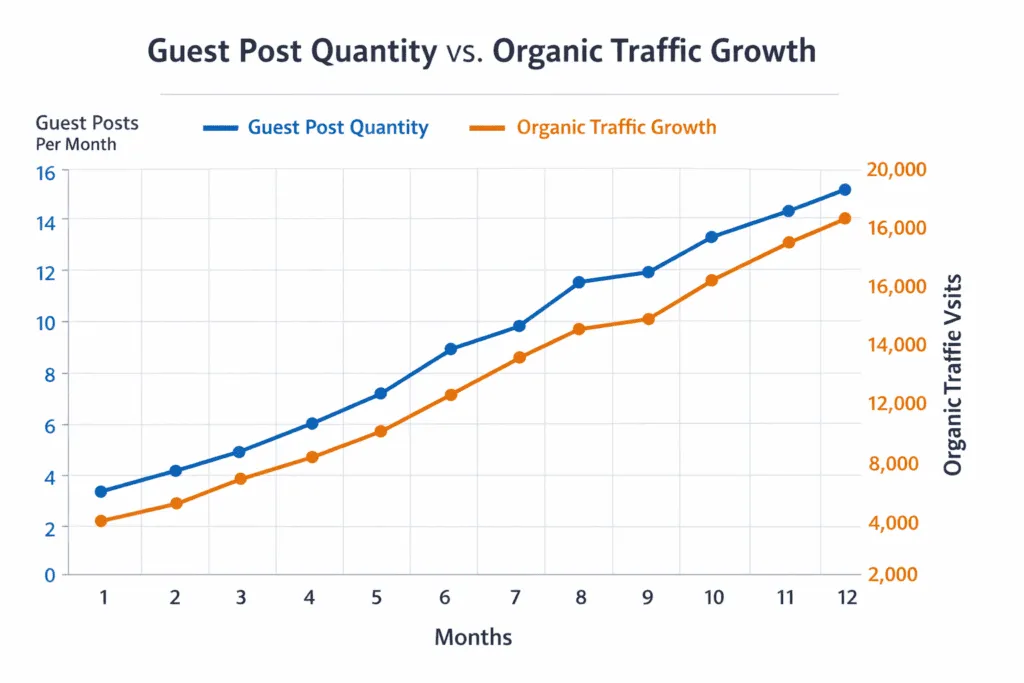
Guest posting benefits SEO by providing opportunities to build high-quality backlinks to your website, which can improve your search engine rankings. It also helps to increase your website’s authority and relevance in your industry, which can lead to higher organic traffic and better visibility in search results.


LoyAnn Sherwood is the CEO and Founder of AppLuxe. She spent approximately 25 years in the healthcare industry before transitioning to digital entrepreneurship. Sherwood founded AppLuxe in 2026 after acquiring the domain and identifying an opportunity to build a luxury-positioned app and software marketplace. She manages the platform's editorial direction and business development strategy.
Get first access to exclusive software reviews, hand-picked SaaS lifetime deals, and digital growth strategies delivered straight to your inbox. No spam, ever—just pure software value to scale your business.
60 subscribers have joined!
If you love lifetime SaaS deals as much as I do, then please subscribe to our monthly/weekly AppLuxe newsletter.
Marcus Vance, SaaS Specialist