Discover expert articles on AI, SaaS, software, marketing, SEO, affiliate marketing and startup growth.
Discover expert articles on AI, SaaS, software, marketing, SEO, affiliate marketing and startup growth.
By LoyAnn Sherwood
Published on Apr 27, 2026

Guest posting is a powerful strategy that involves writing and publishing content on someone else’s website. This practice not only helps you reach a broader audience but also enhances your own site’s authority and search engine ranking. By contributing valuable content to established platforms, you can showcase your expertise, build credibility, and create backlinks to your own site, which are crucial for SEO.
At its core, guest posting is about collaboration. It’s a win-win situation: the host site gets fresh content, while you gain exposure and potential traffic. However, it’s essential to approach guest posting with a clear understanding of your goals. Are you looking to increase brand awareness, drive traffic, or improve your SEO? Knowing your objectives will guide your efforts and help you measure success.
Guest posting is a powerful strategy for enhancing your SEO efforts, as it allows you to build backlinks and establish authority in your niche. For those looking to understand the broader context of digital marketing and its components, you might find this article on app software marketplaces insightful. It discusses how these platforms can influence online visibility and user engagement, which are crucial elements for successful guest posting. To learn more, check out the article here: What is an App Software Marketplace?.
Identifying suitable websites for guest posting is crucial for maximizing the benefits of your efforts. Start by researching sites within your niche that accept guest contributions. Look for blogs or online publications that align with your industry and have a solid readership. Tools like Google search operators can help you find these opportunities. For instance, searching for “write for us” or “guest post guidelines” along with your niche keywords can yield fruitful results.
Once you have a list of potential sites, evaluate their authority and engagement levels. Check their domain authority using tools like Moz or Ahrefs, and look at their social media presence and audience interaction. A site with a high domain authority and an active community will provide more value to your guest post than a lesser-known blog. Additionally, consider the type of content they publish; ensure that your writing style and topics align with their audience’s interests.
Creating high-quality content is the cornerstone of successful guest posting. Your articles should not only be well-written but also relevant to the host site’s audience. Start by understanding the topics that resonate with their readers. This might involve reading previous posts, analyzing comments, and even engaging with the community to gauge their interests.
When crafting your content, focus on providing value. Offer insights, tips, or unique perspectives that readers can’t find elsewhere. Use engaging headlines to draw readers in, and structure your post with clear subheadings and bullet points for easy readability. Remember, the goal is to establish yourself as an authority in your field while also keeping the audience engaged.
Building relationships with website owners and editors can significantly enhance your guest posting success. Start by engaging with them on social media or through their blog comments. Share their content, provide thoughtful feedback, and show genuine interest in their work. This can help you stand out when you eventually pitch your guest post idea.
When reaching out for guest posting opportunities, personalize your communication. Mention specific articles you enjoyed on their site and explain why you think your content would be a good fit. A personalized approach demonstrates that you value their platform and are not just sending out generic pitches. Over time, these relationships can lead to more guest posting opportunities and collaborations.
Guest posting can be a powerful strategy for enhancing your SEO efforts, as it allows you to reach new audiences and build valuable backlinks. For those looking to explore the latest trends in digital marketing, a related article discusses the impact of mobile apps on technology and how they can influence online visibility. You can read more about this in the article on the next wave of mobile apps in tech, which highlights innovative approaches that can complement your guest posting strategy.
| Metrics | Description |
|---|---|
| Domain Authority | The measure of the power of a domain name and is one of the search engine ranking factors. |
| Page Authority | The measure of the power of a specific page and is also a search engine ranking factor. |
| Backlinks | The number of links from other websites to your website, which can improve your website’s authority and ranking. |
| Referral Traffic | The amount of traffic that comes to your website from the links on other websites. |
| Keyword Rankings | The position of your website for specific keywords in search engine results pages. |
The pitching process is a critical step in securing guest posting opportunities. Once you’ve identified a suitable website and crafted your content, it’s time to reach out. Start by reviewing the site’s guest post guidelines, as many platforms have specific requirements regarding pitch submissions.
When crafting your pitch, keep it concise and focused. Introduce yourself briefly, explain why you’re interested in contributing, and provide a few topic ideas that align with their audience. Highlight any relevant experience or credentials that establish your authority on the subject matter. A well-structured pitch increases your chances of getting a positive response.
Get first access to exclusive software reviews, hand-picked SaaS lifetime deals, and digital growth strategies delivered straight to your inbox. No spam, ever—just pure software value to scale your business.
60 subscribers have joined!
If you love lifetime SaaS deals as much as I do, then please subscribe to our monthly/weekly AppLuxe newsletter.
Marcus Vance, SaaS Specialist
Sure, here is the sentence with the clickable link:
Please proceed to Guest Post Payment to complete your transaction.
Your author bio is often the only place where you can include links back to your website in a guest post. Therefore, it’s essential to optimize this section effectively. Keep it brief but informative; include your name, a short description of who you are, and what you do. If possible, mention any notable achievements or credentials that lend credibility to your expertise.
When it comes to links, ensure they are relevant and add value to the reader. You might link to a specific article on your site that expands on the topic discussed in your guest post or provides additional resources. However, avoid overloading your bio with links; one or two well-placed links are usually sufficient and look more professional.
Once your guest post is published, don’t let it sit idle—promote it! Share the link across your social media platforms to drive traffic back to the host site and increase visibility for your own brand. Tag the website or author if possible; this not only shows appreciation but also encourages them to share your post with their audience.
Engaging with readers who comment on your post is another effective way to promote it further. Responding to comments can foster community interaction and encourage more people to read and share your article. Additionally, consider creating snippets or quotes from your post to share as graphics on platforms like Instagram or Pinterest; this can attract even more attention.
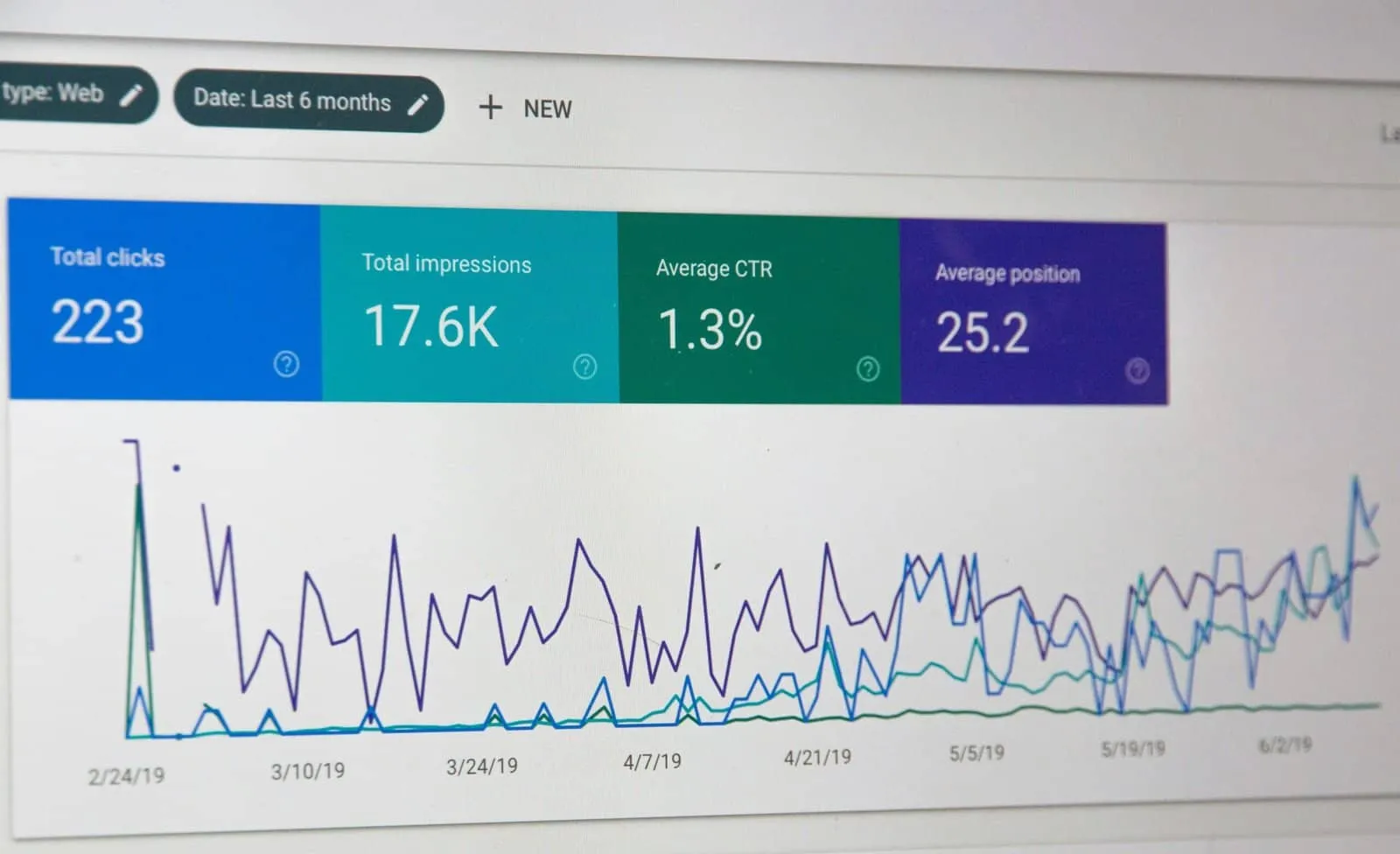
To understand the effectiveness of your guest posting efforts, tracking and analyzing results is essential. Use tools like Google Analytics to monitor traffic coming from your guest posts. Look at metrics such as page views, bounce rates, and time spent on page to gauge reader engagement.
Additionally, keep an eye on how these posts impact your own site’s SEO performance. Are you seeing an increase in organic traffic? Have you gained new backlinks? Analyzing these metrics will help you refine your strategy over time and identify which types of posts resonate best with audiences.
While guest posting can be highly beneficial, there are common pitfalls to avoid. One major mistake is failing to research the host site thoroughly before pitching or writing content. Ensure that the site aligns with your niche and has an engaged audience; otherwise, your efforts may not yield significant results.
Another common error is neglecting quality in favor of quantity. It’s better to focus on a few high-quality guest posts than to churn out numerous mediocre ones. Quality content builds credibility and fosters trust with both the host site’s audience and search engines.
Once you’re comfortable with the basics of guest posting, consider exploring advanced strategies to maximize SEO benefits. One effective approach is to target high-authority sites within your niche for guest contributions. These sites often have established audiences and can provide significant backlink value.
Another strategy involves creating evergreen content that remains relevant over time. This type of content continues to attract readers long after publication, leading to sustained traffic and ongoing SEO benefits. Additionally, consider repurposing successful guest posts into other formats—like videos or infographics—to reach different audiences.
To truly reap the benefits of guest posting, it’s essential to develop a long-term strategy rather than viewing it as a one-off effort. Set specific goals for how many guest posts you want to publish each month or quarter, and create a calendar to keep track of deadlines and topics.
Regularly review the performance of your guest posts and adjust your strategy based on what works best for you. Building relationships with website owners can also lead to ongoing opportunities for collaboration, further enhancing your visibility in the long run. By treating guest posting as an integral part of your overall SEO strategy, you can achieve sustainable growth over time.
In conclusion, guest posting is more than just a way to get backlinks; it’s an opportunity to connect with new audiences and establish yourself as an authority in your field. By understanding the basics, finding the right platforms, crafting compelling content, building relationships, and analyzing results, you can create a successful guest posting strategy that benefits both you and the sites you contribute to.
Guest posting for SEO is a strategy where a website owner creates and publishes content on another website to gain backlinks and increase their own website’s visibility in search engine results.
Guest posting benefits SEO by providing valuable backlinks from reputable websites, increasing website traffic, and improving search engine rankings through the acquisition of high-quality, relevant links.
Best practices for guest posting for SEO include creating high-quality, original content, targeting websites with relevant audiences, and following ethical link-building practices to ensure long-term success.
Potential risks of guest posting for SEO include receiving backlinks from low-quality or spammy websites, which can negatively impact search engine rankings and damage a website’s reputation.
Opportunities for guest posting for SEO can be found by reaching out to relevant websites in your industry, using guest posting platforms, and networking with other website owners and bloggers to establish guest posting opportunities.


LoyAnn Sherwood is the CEO and Founder of AppLuxe. She spent approximately 25 years in the healthcare industry before transitioning to digital entrepreneurship. Sherwood founded AppLuxe in 2026 after acquiring the domain and identifying an opportunity to build a luxury-positioned app and software marketplace. She manages the platform's editorial direction and business development strategy.
Get first access to exclusive software reviews, hand-picked SaaS lifetime deals, and digital growth strategies delivered straight to your inbox. No spam, ever—just pure software value to scale your business.
60 subscribers have joined!
If you love lifetime SaaS deals as much as I do, then please subscribe to our monthly/weekly AppLuxe newsletter.
Marcus Vance, SaaS Specialist