Discover expert articles on AI, SaaS, software, marketing, SEO, affiliate marketing and startup growth.
Discover expert articles on AI, SaaS, software, marketing, SEO, affiliate marketing and startup growth.
By LoyAnn Sherwood
Published on Mar 13, 2026
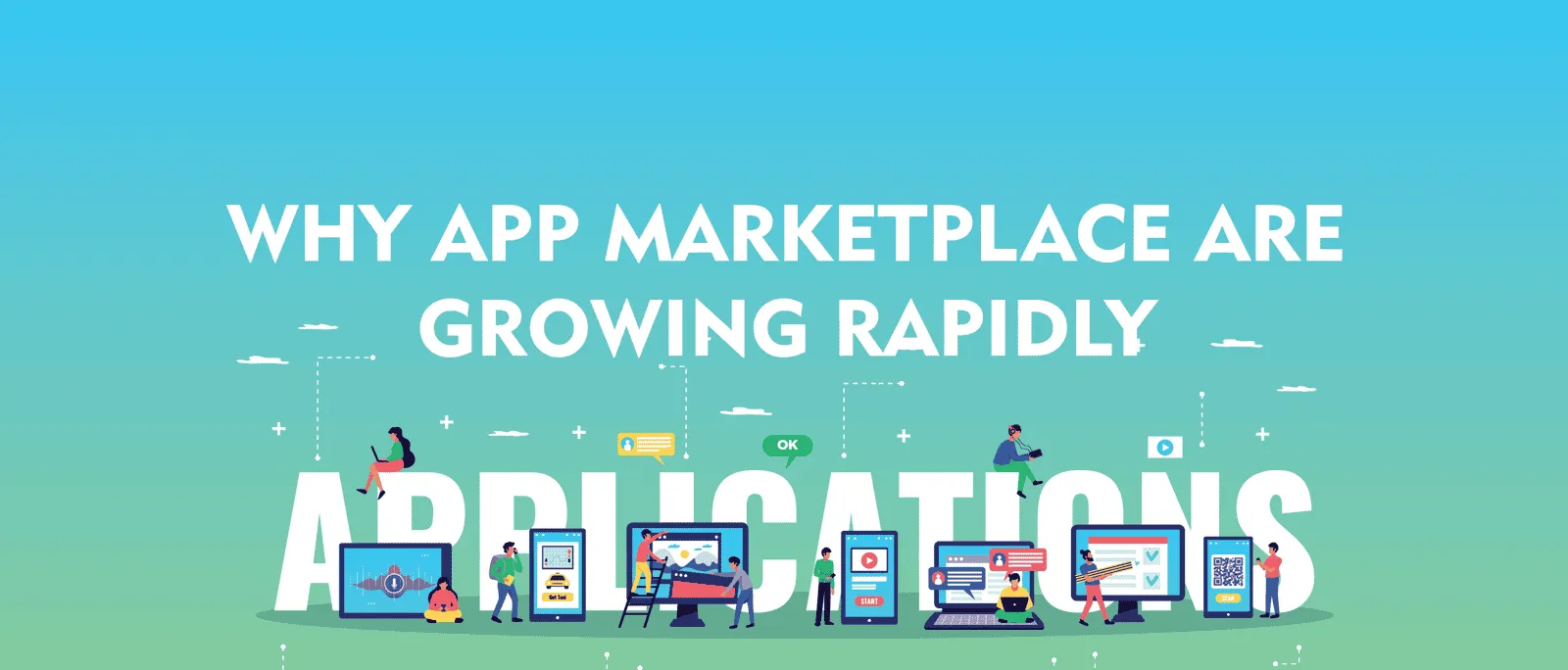
In today’s digital world, app marketplaces have become an essential part of how people discover, download, and use software. Whether it’s productivity tools, games, financial apps, or creative platforms, users now rely on centralized marketplaces to access the applications they need. Over the past decade, the growth of app marketplaces has accelerated dramatically, transforming how software is distributed and how developers reach global audiences.
What once required physical installation discs or complex downloads is now accessible in seconds. With just a few taps or clicks, users can explore thousands of apps designed for work, entertainment, communication, education, and more. This convenience has fueled the rapid expansion of app marketplaces and created new opportunities for developers, businesses, and consumers alike.
But why exactly are app marketplaces growing so quickly? The answer lies in several powerful trends shaping the digital economy, from smartphone adoption and cloud technology to the rise of the creator economy and digital entrepreneurship.
This article explores the key reasons behind the explosive growth of app marketplaces and why they are likely to remain one of the most influential forces in the technology industry.
One of the biggest drivers behind the rapid growth of app marketplaces is the global adoption of smartphones. Over the past fifteen years, smartphones have evolved from luxury gadgets into everyday necessities. Today, billions of people rely on their phones for communication, banking, shopping, entertainment, and work.
As smartphone usage expanded, so did the demand for apps that enhance what these devices can do. App marketplaces became the perfect solution, providing a centralized place where users could discover and download software easily.
Mobile operating systems created an ecosystem where developers could build apps for millions of users at once. Instead of distributing software independently, developers could publish their applications in one marketplace and instantly reach a global audience.
This accessibility has led to an explosion of mobile apps in nearly every category imaginable.
Another major reason for the growth of app marketplaces is convenience. Before marketplaces existed, installing software could be confusing and sometimes risky. Users often had to search multiple websites, verify downloads, and worry about malware.
App marketplaces simplified this entire process.
Users can now:
This streamlined experience has made app marketplaces the default way people obtain software.
For everyday users, the simplicity of browsing an organized marketplace removes technical barriers and encourages exploration. Even users with little technical knowledge can confidently download and use apps.
For developers, app marketplaces offer something incredibly powerful: instant global distribution.
In the past, distributing software required partnerships with retailers, physical packaging, or complex online sales systems. Today, developers can upload an app to a marketplace and reach millions of users worldwide.
This shift has democratized software development. Independent developers, small startups, and large tech companies now compete in the same digital environment.
App marketplaces provide developers with tools that make publishing easier, including:
These tools allow developers to focus on building better products instead of managing complicated distribution systems.
Security is a major concern for anyone downloading software. App marketplaces address this issue by implementing review processes, malware scanning, and strict developer guidelines.
Although no system is perfect, marketplaces provide a safer environment compared to downloading apps from unknown sources.
Users trust marketplaces because they often include:
These protections help build confidence among users, encouraging them to download more apps and rely on marketplaces for their digital needs.
Trust plays a critical role in the continued growth of these platforms.
The creator economy has also contributed significantly to the expansion of app marketplaces. Today, millions of creators, entrepreneurs, and freelancers rely on apps to manage their businesses and connect with audiences.
Apps now support activities such as:
Because creators constantly search for tools to improve productivity and creativity, they regularly explore new apps in marketplaces.
This ongoing demand drives developers to create innovative solutions, further expanding the marketplace ecosystem.
App marketplaces make it easier than ever for developers to earn revenue. Multiple monetization models allow developers to generate income while offering flexible pricing for users.
Common app monetization strategies include:
Paid apps – Users pay upfront to download the app.
Freemium apps – Basic features are free, while premium features require payment.
In-app purchases – Users buy additional content or upgrades within the app.
Subscriptions – Users pay recurring monthly or yearly fees for continued access.
These models allow developers to experiment with pricing strategies and build sustainable businesses.
For many entrepreneurs, launching an app has become a realistic path toward building a profitable digital product.
Get first access to exclusive software reviews, hand-picked SaaS lifetime deals, and digital growth strategies delivered straight to your inbox. No spam, ever—just pure software value to scale your business.
60 subscribers have joined!
If you love lifetime SaaS deals as much as I do, then please subscribe to our monthly/weekly AppLuxe newsletter.
Marcus Vance, SaaS Specialist
App marketplaces encourage innovation because developers constantly compete for attention and downloads. With thousands of apps available in many categories, developers must create high-quality products to stand out.
This competitive environment pushes developers to improve:
As a result, users benefit from better software and more options.
The constant cycle of innovation keeps marketplaces vibrant and dynamic.
Cloud computing has also played a major role in the expansion of app marketplaces. Modern apps often rely on cloud infrastructure for data storage, synchronization, and real-time collaboration.
Cloud integration allows apps to:
Because of cloud technology, apps are no longer limited to a single device. Users can start a task on their phone, continue it on their laptop, and finish it on a tablet.
This seamless experience increases the value of apps and drives more downloads.
The digital economy has opened doors for entrepreneurs around the world. Many individuals and small teams now build apps as startups or side businesses.
App marketplaces provide a low barrier to entry for digital entrepreneurs.
Instead of launching a full company with physical products, creators can build software that solves a specific problem. If the app gains traction, it can quickly reach thousands or even millions of users.
This entrepreneurial opportunity has inspired countless developers to create apps, contributing to the rapid growth of marketplaces.
Another reason developers prefer app marketplaces is access to powerful analytics tools. These insights help developers understand how users interact with their apps.
Analytics dashboards typically provide information such as:
These insights allow developers to improve their apps based on real user behavior.
Data-driven development leads to better apps and stronger marketplace ecosystems.
Looking ahead, the growth of app marketplaces shows no signs of slowing down. As new technologies emerge, marketplaces will continue evolving to support innovative software.
Several trends are likely to shape the future of app marketplaces:
Artificial intelligence integration – Apps powered by AI will become more common.
Augmented reality experiences – AR apps will expand in gaming, shopping, and education.
Cross-platform ecosystems – Apps will work seamlessly across devices.
Subscription-based software – More apps will adopt recurring revenue models.
Global developer communities – Developers from every region will contribute to marketplace growth.
As digital transformation continues, app marketplaces will remain central to how software reaches users.
The rapid growth of app marketplaces is the result of multiple powerful trends coming together. The widespread adoption of smartphones, the convenience of centralized platforms, global distribution opportunities, and new monetization models have created an ecosystem that benefits both developers and users.
App marketplaces have revolutionized how software is discovered, downloaded, and used. They have lowered the barrier to entry for developers, empowered entrepreneurs, and given users access to an incredible range of digital tools.
As technology continues to evolve, app marketplaces will play an even larger role in shaping the digital economy. Their ability to connect creators with global audiences ensures that innovation will continue to thrive in the years ahead.
An app marketplace is a digital platform where users can browse, download, and install applications for their devices. These marketplaces organize apps into categories and provide reviews, ratings, and descriptions to help users choose the right software.
App marketplaces are popular because they provide a convenient and secure way to discover and install apps. Users can access thousands of applications in one place while developers gain access to global audiences.
Developers can earn revenue through several methods, including paid downloads, in-app purchases, subscription plans, and advertising within apps.
Most major app marketplaces implement security checks, malware scanning, and developer verification processes to protect users. While risks still exist, marketplaces are generally safer than downloading apps from unknown websites.
Popular categories include gaming, productivity tools, social media apps, financial services, health and fitness apps, and creative tools.
Yes, most marketplaces allow developers to publish apps after registering as a developer and following specific guidelines and review processes.
The future of app marketplaces will likely involve more AI-powered applications, cloud integration, cross-platform compatibility, and new opportunities for developers to monetize their apps.
[rafflepress id=”1″]


LoyAnn Sherwood is the CEO and Founder of AppLuxe. She spent approximately 25 years in the healthcare industry before transitioning to digital entrepreneurship. Sherwood founded AppLuxe in 2026 after acquiring the domain and identifying an opportunity to build a luxury-positioned app and software marketplace. She manages the platform's editorial direction and business development strategy.
Get first access to exclusive software reviews, hand-picked SaaS lifetime deals, and digital growth strategies delivered straight to your inbox. No spam, ever—just pure software value to scale your business.
60 subscribers have joined!
If you love lifetime SaaS deals as much as I do, then please subscribe to our monthly/weekly AppLuxe newsletter.
Marcus Vance, SaaS Specialist