Boost Your App’s Success with These 10 Tips for Increasing Downloads and Sales
L
By LoyAnn Sherwood
Published on Jun 2, 2026
Featured Video: Discover AppLuxe
Alright, let’s dive into making your app a real hit. You’ve built it, and now you want to see it soar – more downloads, more sales. It’s a common goal, and thankfully, there are some solid, practical ways to get there. Forget vague advice; we’re talking about concrete steps you can take right now to boost your app’s success.
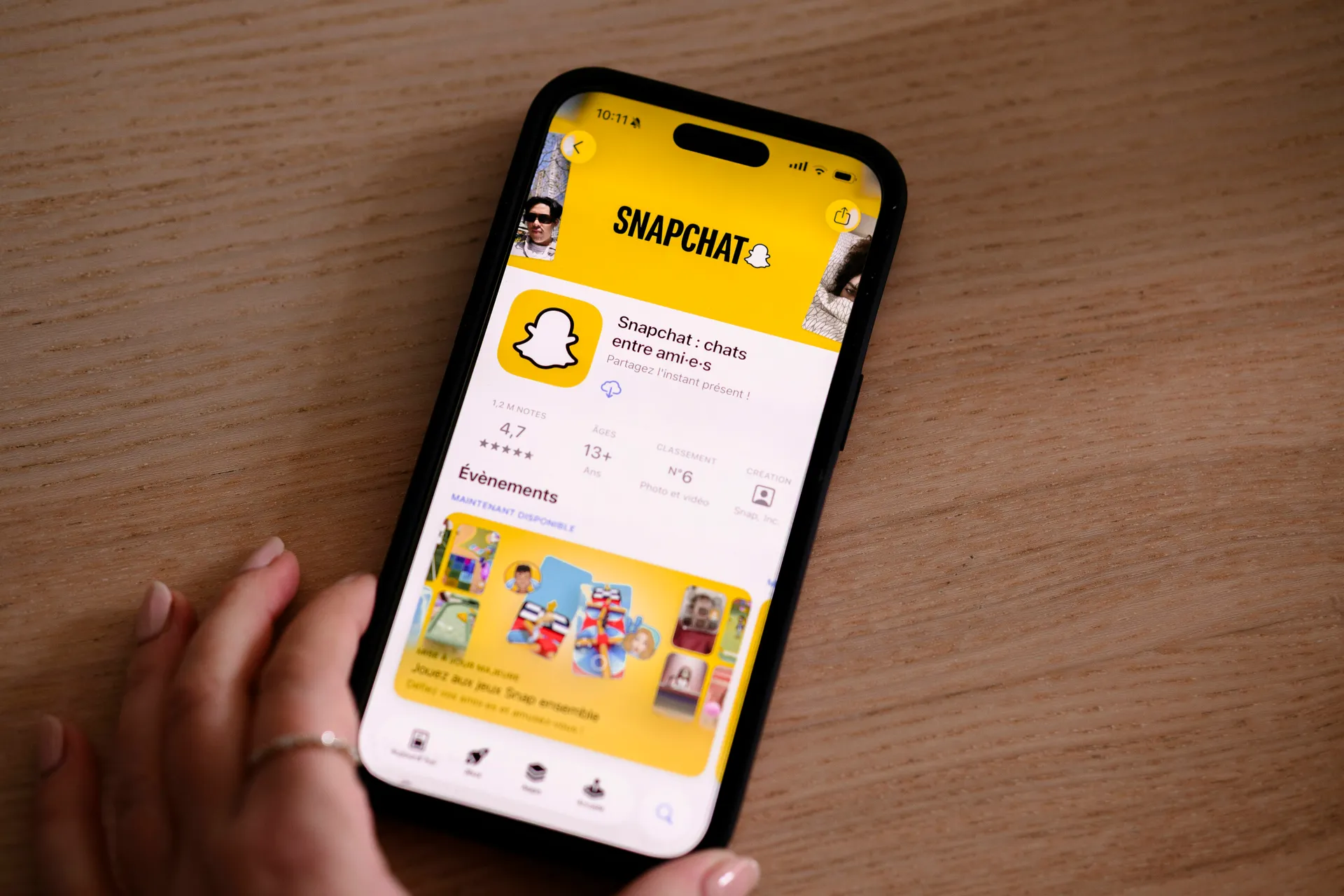
Think of your app store listing like a shop window. If it’s messy, uninviting, or hard to find, nobody’s going to walk in. This is where ASO comes in. It’s about making sure the right people find your app when they’re actually looking for something like it.
Keyword Power
Title and Description: These are prime real estate. Don’t just put your app’s name; weave in relevant keywords that people actually search for. Think about what your ideal user types into the search bar. If your app helps manage budgets, keywords like “budget tracker,” “personal finance,” “money management app,” or “expense planner” are crucial.
Search Intent: Understand not just what keywords people use, but why they’re using them. Are they looking for a quick solution, a long-term tool, or something free? Tailor your description to match that intent.
Metadata is Key: Beyond the title and description, other metadata slots (like subtitle on iOS, or short description on Google Play) are also indexed by search engines. Use them wisely to reinforce your core offering and keywords.
Beyond Keywords: The Visuals
Screenshots that Sell: Your screenshots are your app’s first impression. They need to clearly and concisely communicate what your app does and its main benefits. Don’t just show generic UI elements; highlight the coolest features and the problems your app solves.
Preview Video Magic: A short, engaging video can be incredibly powerful. The first three seconds are critical. Grab attention immediately by showcasing the app’s core value proposition and its most visually appealing or impactful features. Think “wow” factor within the first few blinks.
To effectively increase app downloads and sales, understanding the importance of a well-structured website is crucial. A related article that delves into this topic is available at Why the Appluxe Site Structure is Important for App Success. This resource provides valuable insights into how a strategic website layout can enhance user experience and drive more traffic to your app, ultimately leading to higher conversion rates.
2. Make Your Store Listing Irresistible
Once users find your app, your store listing needs to convince them to hit that download button. This goes beyond just keywords; it’s about crafting a compelling story and showcasing value.
Show, Don’t Just Tell
Highlight Core Value Upfront: What’s the single biggest problem your app solves? What’s the main benefit it delivers? Your screenshots, video, and the start of your description should scream this. If it saves time, show it. If it makes money, show how.
Key Benefits, Clearly Defined: Break down the essential features into clear, benefit-driven points. Instead of “User-friendly interface,” try “Easily manage your tasks in seconds.” Connect features to actual outcomes for the user.
Building Trust and Credibility
Beyond the Download Button: Think about the whole user journey within the store. Is your icon memorable? Is your app name easy to remember and spell? These small details contribute to overall perception.
App Icon Impact: Your icon is the smallest but often most viewed piece of your branding in the app store. It should be distinct, representative of your app, and visually appealing even at small sizes.
3. Leverage the Power of Reviews and Ratings
Happy users often don’t feel the need to leave a review, but unhappy ones often do. You need to actively encourage the good and manage the bad. Reviews are a massive trust signal for potential users and also impact your app store ranking.
Encouraging Positive Feedback
In-App Prompts (Done Right): Don’t interrupt a user mid-task with a rating request. Prompt them after they’ve achieved something positive, completed a core flow, or used the app for a certain period. Make the prompt polite and easy to dismiss if they’re not interested.
The “Rate Us” Button: Include a clear, accessible button within your app’s settings or main menu that allows satisfied users to leave a review.
Incentivize (Carefully): While directly paying for reviews is a no-go, you can incentivize engagement. For example, offer a small in-app bonus for sharing feedback or referring a friend, which can indirectly lead to reviews. Always check store guidelines on this.
Handling Negative Feedback
Respond Quickly and Empathetically: Never ignore negative reviews. Respond promptly, professionally, and with empathy. Acknowledge their frustration and offer solutions or ways to get help.
Turn Critics into Advocates: Sometimes, a well-handled negative review can demonstrate excellent customer service and build more trust than a purely positive one. Users see that you care and are willing to improve.
Use Feedback for Improvement: Treat negative reviews as valuable data. Identify recurring issues and use them to fix bugs, improve features, or clarify app functionality.
4. Smart Paid User Acquisition
Organic growth is fantastic, but sometimes you need a push. Paid acquisition, when done strategically, can bring in high-quality users who are more likely to convert or remain engaged.
Targeted Campaigns
Apple Search Ads / Google App Campaigns: These platforms allow you to bid on keywords users search for directly in the app stores. This means you’re reaching people with high intent. Target precisely based on demographics, interests, and search terms.
Creative Ad Copy and Visuals: Your ads need to be as compelling as your app store listing. Test different ad creatives – images, videos, and text – to see what resonates best with your target audience. Highlight the unique selling proposition (USP) of your app.
Efficiency and ROI
Negative Keywords: This is crucial for avoiding wasted ad spend. If you’re selling a premium productivity app, you don’t want to show up for searches like “free to-do list” or “simple reminder app” if your app is far more complex. Add these terms as negative keywords.
Track and Optimize: Constantly monitor your campaign performance. Which keywords are driving the most valuable installs? Which ad creatives have the highest click-through rates? Allocate your budget to what’s working and cut what isn’t.
To effectively increase app downloads and sales, developers can benefit from various strategies that enhance visibility and user engagement. One insightful resource on this topic is an article that discusses the importance of optimizing app store listings and leveraging social media marketing. By implementing these techniques, developers can significantly boost their app’s reach and appeal. For more detailed insights, you can check out the article here.
5. Build a Foundation of Organic Channels
Metrics
Current
Target
App Downloads
10,000
15,000
App Sales
500
800
Conversion Rate
5%
7%
Marketing Spend
5,000
7,000
While paid ads can be effective, organic channels offer sustainable, cost-effective growth and build a loyal community around your app. This is about creating genuine interest and engagement.
Content is King (and Queen)
Content Marketing: Create blog posts, articles, infographics, or videos that address the problems your app solves. If your app is for fitness, create content about workout routines, healthy eating, or motivation. Link back to your app as a solution.
SEO for Your Content: Optimize your content for search engines so people can find your valuable information, and subsequently, your app.
Social Proof and Community
Social Media Engagement: Be active on platforms where your target audience hangs out. Share app updates, behind-the-scenes content, user testimonials, and run contests or Q&As. Don’t just broadcast; engage in conversations.
Community Building: Create a space for your users to connect, share tips, and provide feedback. This could be a forum, a dedicated subreddit, a Discord server, or a Facebook group. A strong community fosters loyalty and word-of-mouth referrals.
Influencer Outreach: Collaborate with influencers who align with your app’s niche. Micro-influencers can be particularly effective and affordable, reaching targeted and engaged audiences. Ensure they genuinely use and believe in your app.
To effectively boost app downloads and sales, developers can benefit from exploring various marketing strategies and techniques. One insightful resource that delves into this topic is an article on guest posting, which highlights how contributing content to relevant platforms can enhance visibility and attract potential users. You can read more about this approach in the article available at guest posting guidelines. By leveraging such strategies, app creators can significantly increase their reach and engagement in a competitive market.
Apps, Software, SaaS, Lifetime deals & discounts right to your in-box.
Get first access to exclusive software reviews, hand-picked SaaS lifetime deals, and digital growth strategies delivered straight to your inbox. No spam, ever—just pure software value to scale your business.
60 subscribers have joined!
If you love lifetime SaaS deals as much as I do, then please subscribe to our monthly/weekly AppLuxe newsletter.
Marcus Vance, SaaS Specialist
6. Implement Virality Through Referrals and Sharing
The most effective marketing is often word-of-mouth. Tap into this by making it easy and rewarding for your existing users to bring in new ones.
Referral Programs
Give and Get: Design a system where both the referrer and the new user receive a benefit. This could be in-app currency, premium features, discounts, or exclusive content. Make the reward tangible and appealing.
Seamless Sharing: Integrate sharing options directly into your app. Make it incredibly simple for users to share a link to your app or a specific feature via text, email, or social media.
Built-in Sharing Loops
“Share Your Success”: If your app is about achievements, progress, or creations (e.g., a photo editor, a game, a fitness tracker), encourage users to share their results directly from the app. This acts as organic promotion.
Collaboration Features: If your app involves teamwork or social interaction, design features that require users to invite others to collaborate, naturally expanding your user base.
7. Optimize Monetization for Better Sales
Downloads are great, but sustained success often comes down to revenue. This isn’t just about tacking on ads; it’s about integrating monetization strategies that enhance, rather than detract from, the user experience.
Diverse Payment Options
Multiple Payment Methods: Make it easy for users to pay by offering a variety of popular payment options, including credit cards, digital wallets (like Apple Pay, Google Pay), and potentially local payment methods if you’re expanding internationally.
In-App Purchase (IAP) Strategies: Clearly define what users can purchase. Offer consumable items (like extra lives), durable items (like premium features that last), or subscriptions for ongoing value. Price strategically based on perceived value.
Loyalty and Value
Loyalty Programs: Reward your most loyal customers. This could be tiered benefits, exclusive discounts, early access to new features, or points systems that can be redeemed. This encourages repeat purchases and retention.
Well-Placed Ads: If you use ads, ensure they are non-intrusive and relevant. Consider rewarded video ads where users opt-in to watch an ad in exchange for an in-app reward. This is generally better received than forced interruptions.
8. Enhance User Retention for Repeat Sales
Acquiring a new user is expensive. Keeping them engaged and coming back for more is where the real value lies, especially for driving repeat sales.
Personalized Engagement
Targeted Push Notifications: Don’t blast generic messages. Segment your users and send personalized notifications based on their behavior, preferences, or in-app progress. Remind them of value, not just ask them to do something.
Onboarding Improvements: The first-time user experience is critical. Ensure your onboarding is intuitive, quickly demonstrates the app’s core value, and guides users to their “aha!” moment as efficiently as possible.
Keeping Things Fresh
Gamification Elements: Incorporate game-like features such as points, badges, leaderboards, challenges, and progress bars. These elements can significantly boost engagement and encourage users to return to achieve their next goal.
Regular Updates and New Content: Keep your app fresh with regular updates. This could involve bug fixes, performance enhancements, new features, or fresh content. Users appreciate an app that’s actively being developed and improved.
9. Measure, Analyze, and Iterate
You can’t improve what you don’t measure. Data is your compass for guiding every decision you make about your app.
Data-Driven Decisions
Key Metrics to Track: Monitor downloads, daily/monthly active users (DAU/MAU), session duration, retention rates, conversion rates for in-app purchases, and ad revenue. Understand the full funnel.
Analytics Tools: Utilize robust analytics platforms (like Google Analytics for Firebase, Mixpanel, Amplitude) to gather and interpret this data.
Continuous Improvement
A/B Testing Everything: Don’t guess what works best. A/B test different elements of your app store listing (screenshots, descriptions), your ad creatives, your in-app purchase offers, and even key app features.
User Feedback Loops: Combine quantitative data with qualitative feedback from user surveys, support tickets, and reviews to get a complete picture of user sentiment and behavior. This iterative process is key.
10. Expand Your Horizons with Localization
Reaching a global audience opens up massive opportunities for downloads and sales, but you can’t just assume one size fits all.
Adapting to New Markets
Translate and Localize Content: Translate your app’s interface, descriptions, and marketing materials into the local languages. Go beyond direct translation; adapt cultural nuances, idioms, and imagery to resonate with local users.
Local Payment Support: As mentioned before, supporting local payment methods is crucial for users in different regions who might not use standard international options.
Adapting to Market Needs: Different regions might have different priorities or use cases for your app. Research market-specific trends and consider how you can tailor your app or marketing to meet those unique demands.
Sell My APPS!
FAQs
What are some effective strategies for increasing app downloads and sales?
Some effective strategies for increasing app downloads and sales include optimizing app store listings with relevant keywords, creating engaging app descriptions and visuals, utilizing social media and influencer marketing, offering promotions and discounts, and seeking positive reviews and ratings.
How important is app store optimization (ASO) for increasing app downloads and sales?
App store optimization (ASO) is crucial for increasing app downloads and sales as it helps improve app visibility in app stores, enhances searchability, and attracts potential users. By optimizing app store listings with relevant keywords, compelling visuals, and engaging descriptions, apps can improve their chances of being discovered and downloaded.
What role does social media and influencer marketing play in increasing app downloads and sales?
Social media and influencer marketing can play a significant role in increasing app downloads and sales by reaching a wider audience, building brand awareness, and driving user engagement. Collaborating with influencers and leveraging social media platforms can help promote the app to potential users and encourage downloads.
How can offering promotions and discounts help increase app downloads and sales?
Offering promotions and discounts can incentivize users to download and purchase the app by providing added value and encouraging conversions. Limited-time offers, special discounts, and exclusive deals can attract new users and entice existing users to make purchases, ultimately boosting app downloads and sales.
Why are positive reviews and ratings important for increasing app downloads and sales?
Positive reviews and ratings are important for increasing app downloads and sales as they build credibility, trust, and confidence among potential users. High ratings and positive feedback can influence user perception and decision-making, leading to increased app downloads and sales.
LoyAnn Sherwood is the CEO and Founder of AppLuxe. She spent approximately 25 years in the healthcare industry before transitioning to digital entrepreneurship. Sherwood founded AppLuxe in 2026 after acquiring the domain and identifying an opportunity to build a luxury-positioned app and software marketplace. She manages the platform's editorial direction and business development strategy.
Apps, Software, SaaS, Lifetime deals & discounts right to your in-box.
Get first access to exclusive software reviews, hand-picked SaaS lifetime deals, and digital growth strategies delivered straight to your inbox. No spam, ever—just pure software value to scale your business.
60 subscribers have joined!
If you love lifetime SaaS deals as much as I do, then please subscribe to our monthly/weekly AppLuxe newsletter.