Discover expert articles on AI, SaaS, software, marketing, SEO, affiliate marketing and startup growth.
Discover expert articles on AI, SaaS, software, marketing, SEO, affiliate marketing and startup growth.
By LoyAnn Sherwood
Published on Apr 26, 2026
Ever wonder how some article titles just grab you and make you want to click, while others… well, they just sort of blend in? There’s a good reason for that. It’s not magic, it’s SEO, and when it comes to article titles, nailing it can make a huge difference in how many people actually see your content. Let’s dive into the best practices to make your titles work harder for you.
Think of your article title as the first impression. It’s what search engines like Google scan first to understand what your content is about, and it’s what a potential reader sees in the search results or on social media. If it doesn’t resonate with either, your content might not get the attention it deserves.
A well-crafted title serves two primary masters: the search engine algorithms and the human reader.
Search engines analyze titles to categorize and rank your content. They look for relevant keywords that match user search queries. A clear title helps the algorithm understand the core topic of your article, making it easier to show to the right audience.
Beyond the technical aspects, people are clicking based on what they think your article will deliver. Will it solve their problem? Answer their question? Entertain them? Your title needs to pique their interest and clearly signal that your content is relevant to their needs or curiosity.
For those looking to enhance their understanding of SEO best practices, a valuable resource is available in the article titled “What is an App Software Marketplace?” which can be found at this link. This article not only explores the intricacies of app software marketplaces but also highlights essential strategies for optimizing visibility and driving traffic, making it a great complement to your SEO knowledge.
Keywords are the backbone of SEO. Your article title is one of the most important places to include them, but it needs to be done thoughtfully, not just stuffed in.
Before you even start writing, you need to know what your article is about. What’s the main topic? What terms are people likely to search for to find this information?
Start broad and then narrow down. Think about synonyms, related terms, and the specific language your target audience uses. Tools like Google Keyword Planner, SEMrush, or Ahrefs can provide data on search volume and competition.
It’s not just about what people search for, but why they’re searching for it. Are they looking for information, trying to buy something, or seeking a specific tutorial? Your keyword choice should align with this user intent.
Where you place your keywords in the title matters. The earlier, the better, as search engines and users tend to pay more attention to the beginning of a title.
Placing your primary keyword within the first 50-60 characters of your title is generally a good strategy. This increases the chances of it being fully visible in search results and signals its importance immediately.
Avoid keyword stuffing, where you jam keywords unnaturally into the title. This looks spammy to both search engines and readers, and can actually hurt your rankings. The keywords should feel like a natural part of a coherent phrase.
Once you have your keywords sorted, it’s time to craft a title that’s not only informative but also enticing. This is where the art of copywriting meets SEO.
People are inherently self-interested. They want to know what’s in it for them. Your title should hint at the value they’ll receive by reading your article.
Instead of saying “How to Save Money,” try “Save $500 This Month With These 5 Simple Budgeting Tips.” The latter clearly states the benefit and provides a concrete number.
If your content solves a common problem, your title can directly address that pain point. For example, “Tired of Wasting Time? Master Your Email Inbox With This Strategy.”
Numbers and data in titles often stand out and promise specific, actionable information. They create a sense of order and expectation.
Titles like “7 Proven Ways to Boost Your Website Traffic” are popular for a reason. They suggest a digestible chunk of information.
If your article contains interesting statistics or research, incorporating them into the title can be very effective. For instance, “3 Shocking Facts About Remote Work Productivity You Need to Know.”
There’s a fine line between piquing curiosity and being misleading. Good titles spark interest; clickbait titles deceive.
Phrases like “The Secret to…” or “You Won’t Believe What Happened When…” can work, but they must be backed by genuine, compelling content.
A title that promises something the article doesn’t deliver will lead to high bounce rates and damage your credibility, which search engines can detect.
Sure, here is the sentence with the clickable link:
I found the perfect app for my needs on the AppLuxe℠ App Marketplace.
The physical presentation of your title matters to both robots and humans. There are character limits to consider, and how you format it can impact readability.
Search engines have limits on how much of a title they’ll display. Keeping it within these limits ensures your full message gets across.
While not a hard and fast rule, aiming for titles around 50-60 characters typically ensures they won’t be truncated in most search result pages.
If your title exceeds the display limit, search engines will often cut it off and add ellipses (…). This means crucial parts of your title, or even your main keyword, might be hidden.
A title that’s easy to scan and understand visually will be more appealing to readers.
Generally, using title case (capitalizing the first letter of each major word) is standard and readable. Excessive use of all caps can appear aggressive or spammy.
Certain symbols can help a title stand out, but overuse or using inappropriate symbols can be detrimental. Think, for example, using an asterisk or a question mark.
In the ever-evolving landscape of digital marketing, staying updated on SEO best practices is crucial for enhancing online visibility. One insightful resource that delves into the intersection of technology and marketing is an article that explores the role of machine learning in app personalization. This article provides valuable perspectives on how leveraging advanced algorithms can significantly improve user engagement and retention. For more information, you can read it here: the power of machine learning in app personalization. By integrating such innovative strategies, businesses can optimize their SEO efforts and create a more tailored experience for their audience.
Get first access to exclusive software reviews, hand-picked SaaS lifetime deals, and digital growth strategies delivered straight to your inbox. No spam, ever—just pure software value to scale your business.
60 subscribers have joined!
If you love lifetime SaaS deals as much as I do, then please subscribe to our monthly/weekly AppLuxe newsletter.
Marcus Vance, SaaS Specialist
| SEO Best Practices | Metric |
|---|---|
| Keyword Research | Search Volume, Competition, Relevance |
| On-Page Optimization | Meta Tags, Headings, Content Quality |
| Link Building | Backlinks, Anchor Text, Domain Authority |
| Mobile-Friendly Website | Mobile Page Speed, Responsive Design |
| Site Speed | Page Load Time, Server Response Time |
Generic titles are forgettable. Specific, actionable titles tell readers exactly what they can expect and often imply a solution or a learning opportunity.
Titles like “Marketing Tips” are too broad. They don’t tell anyone what kind of marketing, or what kind of tips.
Instead of “Learn About Content,” aim for “Learn How to Write Engaging Blog Post Introductions for Beginners.” The latter is specific and clearly defines the scope.
Titles that start with “How to” are incredibly effective for informational queries. They directly address a user’s need to learn a process.
Action verbs in titles create a sense of dynamism and encourage engagement. They suggest that the reader will be able to do something after consuming the content.
Words like “Master,” “Transform,” “Create,” “Optimize,” and “Implement” suggest a positive change or outcome for the reader.
Words like “Discover,” “Uncover,” “Reveal,” and “Explore” can pique curiosity and promise new insights.
When it comes to enhancing your website’s visibility, understanding SEO best practices is crucial for driving organic traffic. A comprehensive guide can be found in this article, which covers essential strategies for optimizing your content and improving search engine rankings. By implementing these techniques, you can significantly boost your online presence and attract more visitors. For more insights on effective SEO methods, check out this informative piece on guest posting.
The SEO landscape isn’t static, and what works today might need tweaking tomorrow. Regularly reviewing and refining your titles is key.
Understanding how your titles are performing is crucial for improvement.
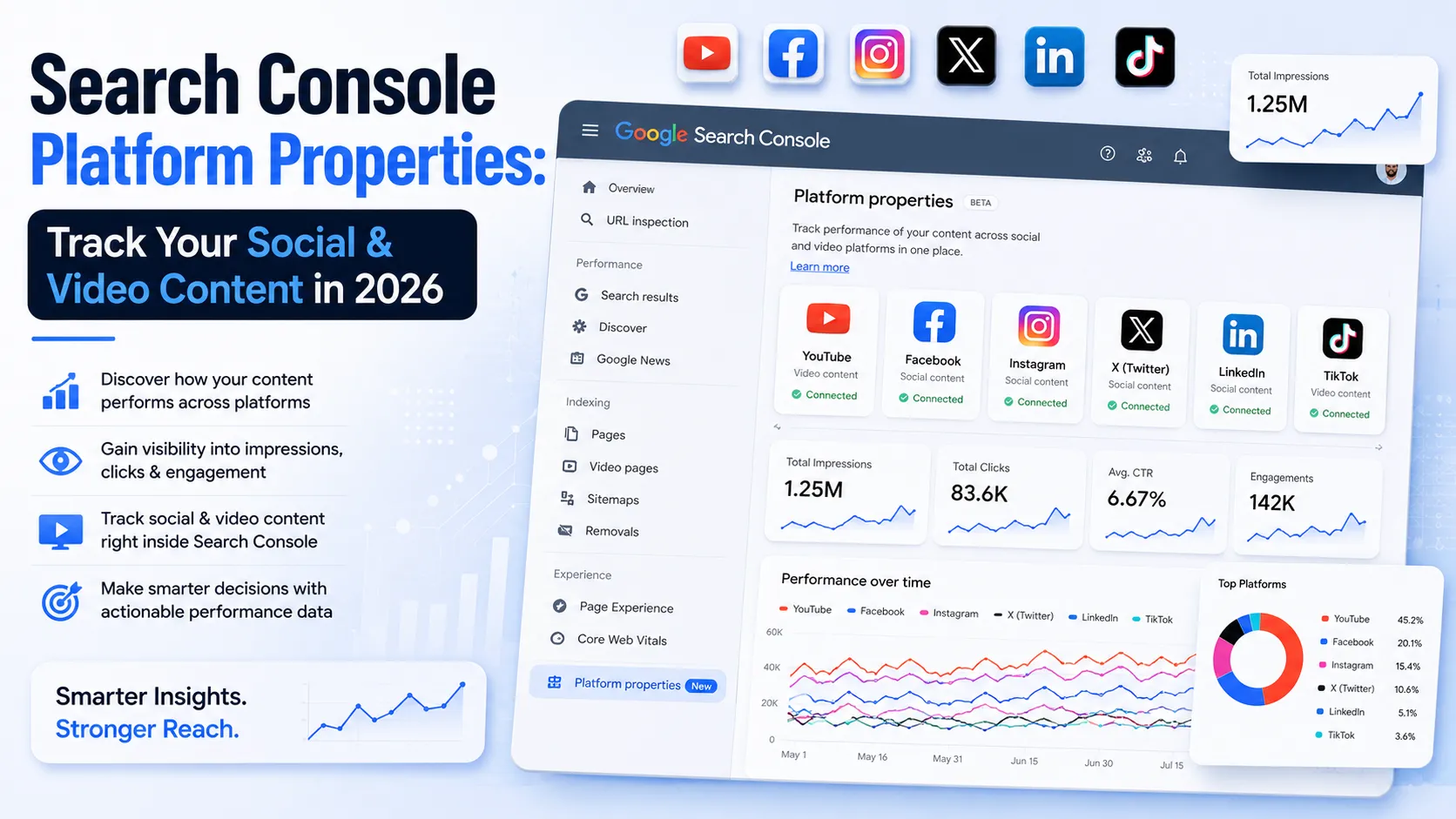
This metric in Google Search Console shows you how often people click on your link when it appears in search results. A low CTR might indicate a weak title.
While not directly tied to the title itself, a high bounce rate or low time on page after clicking could suggest that the title didn’t accurately reflect the content or meet user expectations.
If you have the capability, A/B testing different titles for the same piece of content can provide valuable data on what resonates most with your audience.
You can test different keywords, different benefit angles, different numbers, or variations in question-based versus statement-based titles.
Once you’ve identified a winning title through testing or analysis, make sure to update your existing content’s titles to reflect those learnings. This is an ongoing process.
In the crowded digital space, your article title is the handshake, the brief elevator pitch, and the promise of value. By understanding SEO best practices and focusing on genuinely connecting with your audience, you can craft titles that not only attract search engines but also compel people to click and engage with your exceptional content. It’s an investment that pays off handsomely in visibility and readership.
SEO best practices are the techniques and strategies used to optimize a website in order to improve its search engine rankings and increase organic traffic. This includes on-page optimization, content creation, keyword research, and link building.
SEO best practices are important because they help websites rank higher in search engine results pages (SERPs), which can lead to increased visibility, traffic, and potential customers. Following best practices also ensures that a website is user-friendly and provides a positive experience for visitors.
Common SEO best practices include creating high-quality, relevant content, optimizing meta tags and headings, using descriptive URLs, improving website speed and mobile-friendliness, and earning high-quality backlinks from reputable websites.
You can implement SEO best practices on your website by conducting keyword research to identify relevant terms, optimizing your website’s structure and content, improving site speed and mobile responsiveness, and earning backlinks from authoritative sources.
Following SEO best practices can lead to increased organic traffic, higher search engine rankings, improved user experience, and ultimately, more leads and sales for your business. It can also help establish your website as a credible and authoritative source within your industry.


LoyAnn Sherwood is the CEO and Founder of AppLuxe. She spent approximately 25 years in the healthcare industry before transitioning to digital entrepreneurship. Sherwood founded AppLuxe in 2026 after acquiring the domain and identifying an opportunity to build a luxury-positioned app and software marketplace. She manages the platform's editorial direction and business development strategy.
Get first access to exclusive software reviews, hand-picked SaaS lifetime deals, and digital growth strategies delivered straight to your inbox. No spam, ever—just pure software value to scale your business.
60 subscribers have joined!
If you love lifetime SaaS deals as much as I do, then please subscribe to our monthly/weekly AppLuxe newsletter.
Marcus Vance, SaaS Specialist