Discover expert articles on AI, SaaS, software, marketing, SEO, affiliate marketing and startup growth.
Discover expert articles on AI, SaaS, software, marketing, SEO, affiliate marketing and startup growth.
By LoyAnn Sherwood
Published on Apr 29, 2026
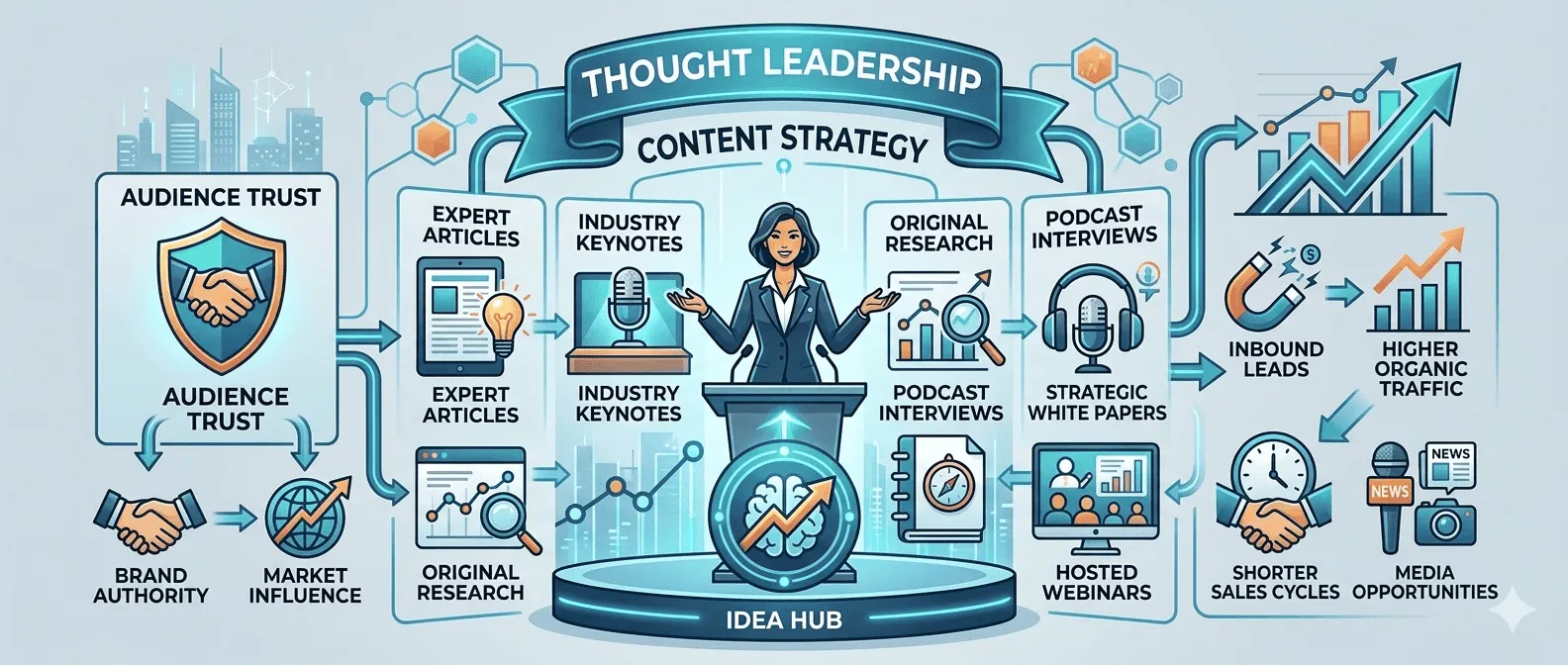
The way businesses use software has changed dramatically over the past two decades. Not long ago, companies had to buy expensive software licenses, install programs using CDs or DVDs, and rely on in-house IT teams for updates and maintenance. This traditional model was costly, time-consuming, and often inefficient.

Today, software is delivered instantly through the internet. This modern approach is known as Software as a Service (SaaS). Instead of purchasing software outright, users subscribe to cloud-based applications that are always accessible, continuously updated, and designed for flexibility.
SaaS has transformed how entrepreneurs, startups, and enterprises operate. From project management tools to customer relationship management systems, SaaS platforms now power nearly every business function.
For modern entrepreneurs, curated SaaS marketplaces have become especially valuable. Rather than wasting time comparing endless options, businesses can discover trusted, premium software solutions in one place. This saves time, reduces risk, and helps decision-makers invest in tools that truly support growth.
In a world where speed, efficiency, and adaptability matter more than ever, SaaS is no longer optional—it is essential.
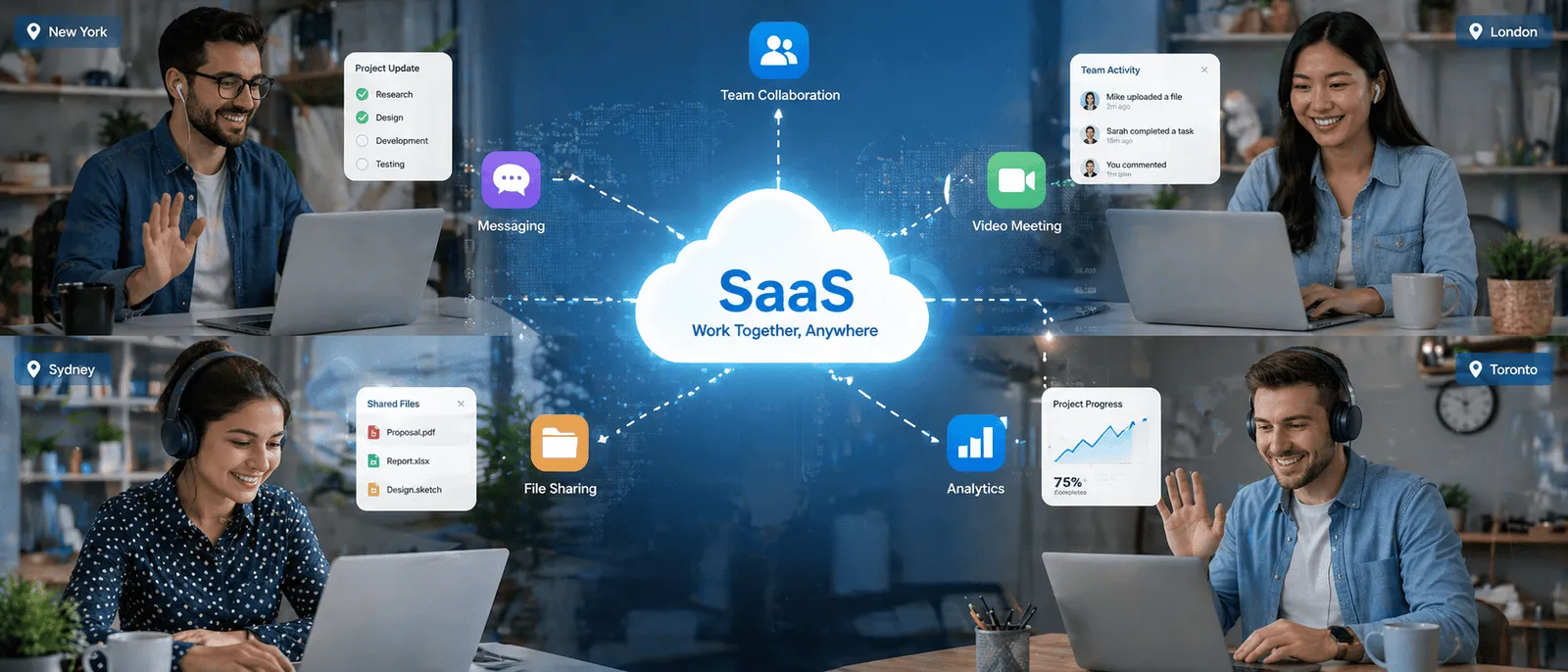
SaaS applications are hosted on remote servers rather than installed locally on individual computers. This means users access software through a web browser or mobile app.
Most SaaS platforms use multi-tenant architecture, where one software system serves multiple customers securely. Each user gets their own data privacy and settings while sharing the same core infrastructure. This allows providers to scale efficiently and keep costs lower.
Instead of paying a large one-time fee, SaaS customers usually pay monthly or yearly subscriptions. This “pay-as-you-go” model gives businesses predictable costs and flexibility. If needs change, plans can often be upgraded, downgraded, or canceled easily.
Traditional software required manual updates and patches. SaaS removes that burden entirely. Providers handle maintenance, security improvements, bug fixes, and new features automatically.
For businesses, this means less downtime, fewer technical headaches, and access to the latest technology without extra effort.
One of the biggest advantages of SaaS is lower upfront cost. Traditional software often required expensive licenses, servers, and IT staff.
With SaaS, businesses shift from capital expenditure (CapEx) to operational expenditure (OpEx). Instead of huge investments, they pay manageable recurring fees.
This makes high-quality software accessible to startups, freelancers, and growing companies.
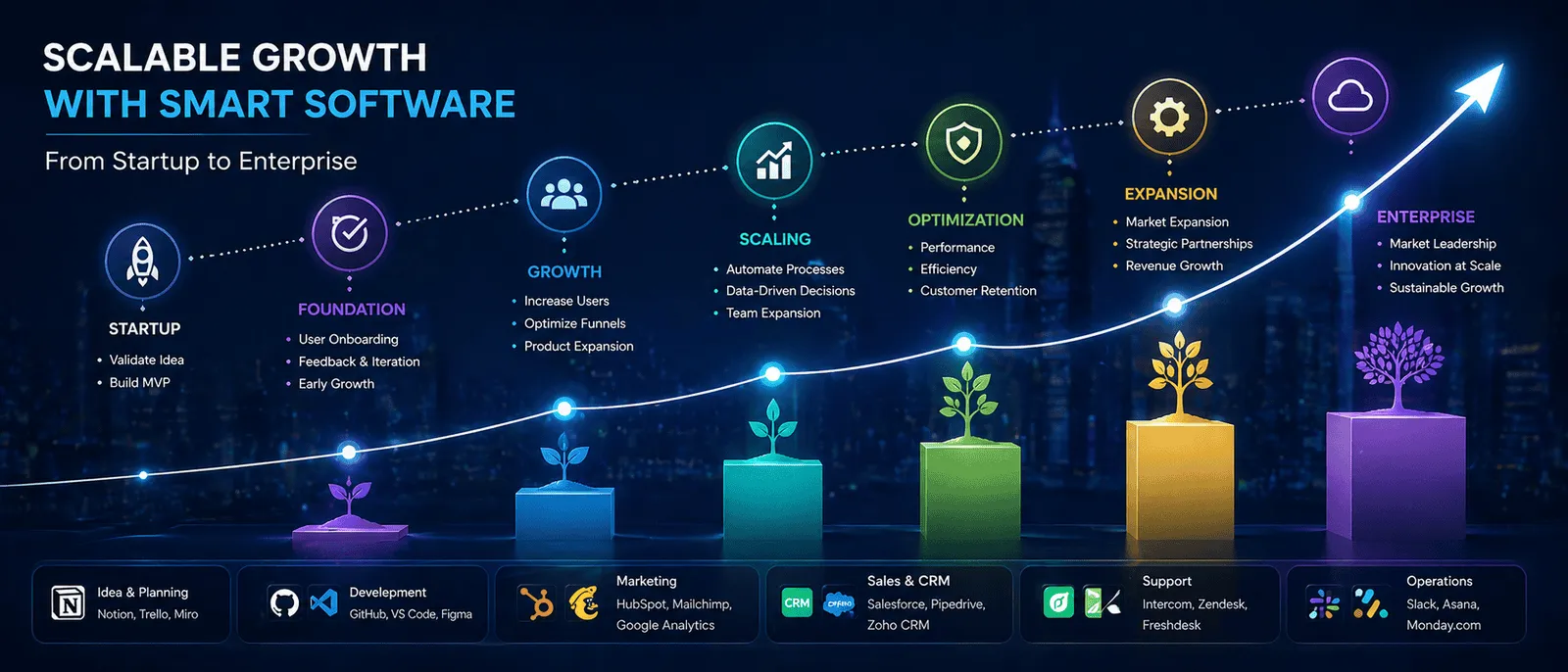
SaaS grows with your business. Need one user today and fifty next month? Most SaaS platforms let you scale instantly.
This flexibility is ideal for seasonal businesses, startups, or expanding enterprises that need software to adapt quickly.
Because SaaS is cloud-based, teams can work from anywhere with an internet connection.
This has become crucial in the remote-work era. Whether staff are in different cities or countries, everyone can collaborate in real time.
Modern SaaS tools are often API-driven, meaning they connect with other platforms.
For example:
This creates smoother workflows and reduces manual work.
Get first access to exclusive software reviews, hand-picked SaaS lifetime deals, and digital growth strategies delivered straight to your inbox. No spam, ever—just pure software value to scale your business.
60 subscribers have joined!
If you love lifetime SaaS deals as much as I do, then please subscribe to our monthly/weekly AppLuxe newsletter.
Marcus Vance, SaaS Specialist
Vertical SaaS focuses on specific industries.
Examples include:
These solutions are highly specialized and built around industry needs.
Horizontal SaaS serves a broad range of industries.
These tools solve common business challenges across multiple sectors.
Micro-SaaS refers to smaller, focused tools that solve one specific problem exceptionally well.
Examples:
Many Micro-SaaS products are built by independent developers or small teams and can become highly profitable niche businesses.
Businesses trust SaaS providers with sensitive information. Leading providers invest heavily in:
Before subscribing, always review a provider’s security practices.

A strong refund policy often reflects product confidence. If a provider offers a generous satisfaction guarantee, it usually means they trust the value of their platform.
For curated SaaS marketplaces, highlighting products with clear refund terms can significantly improve buyer trust.
Before choosing any SaaS tool, ask:
These factors reduce risk and improve long-term satisfaction.
Building a SaaS product is one of the most attractive modern business models.
Why?
Instead of one-time sales, SaaS creates predictable monthly recurring income.
A SaaS product can serve users worldwide without needing physical inventory.
Once developed, software can be sold repeatedly with minimal delivery cost.
For developers, listing on curated business directories or SaaS marketplaces can generate targeted traffic, trust, and qualified buyers.
Rather than relying only on paid ads, marketplaces help products get discovered by businesses actively searching for solutions.
Artificial Intelligence is making SaaS smarter than ever.
Examples include:
Platforms now allow users to build apps without deep programming knowledge.
This democratizes software creation and enables entrepreneurs to launch tools faster than ever.
SaaS will continue becoming more personalized, automated, and accessible.
SaaS is not just another software model—it is a competitive advantage.
It helps businesses lower costs, move faster, scale efficiently, and stay flexible in a constantly changing market.
Whether you are a startup founder, remote team manager, or enterprise leader, choosing the right SaaS tools can transform operations and unlock growth.
The smartest next step is to explore trusted, vetted software solutions that match your business goals.


LoyAnn Sherwood is the CEO and Founder of AppLuxe. She spent approximately 25 years in the healthcare industry before transitioning to digital entrepreneurship. Sherwood founded AppLuxe in 2026 after acquiring the domain and identifying an opportunity to build a luxury-positioned app and software marketplace. She manages the platform's editorial direction and business development strategy.
Get first access to exclusive software reviews, hand-picked SaaS lifetime deals, and digital growth strategies delivered straight to your inbox. No spam, ever—just pure software value to scale your business.
60 subscribers have joined!
If you love lifetime SaaS deals as much as I do, then please subscribe to our monthly/weekly AppLuxe newsletter.
Marcus Vance, SaaS Specialist