Discover expert articles on AI, SaaS, software, marketing, SEO, affiliate marketing and startup growth.
Discover expert articles on AI, SaaS, software, marketing, SEO, affiliate marketing and startup growth.
By LoyAnn Sherwood
Published on Mar 3, 2026
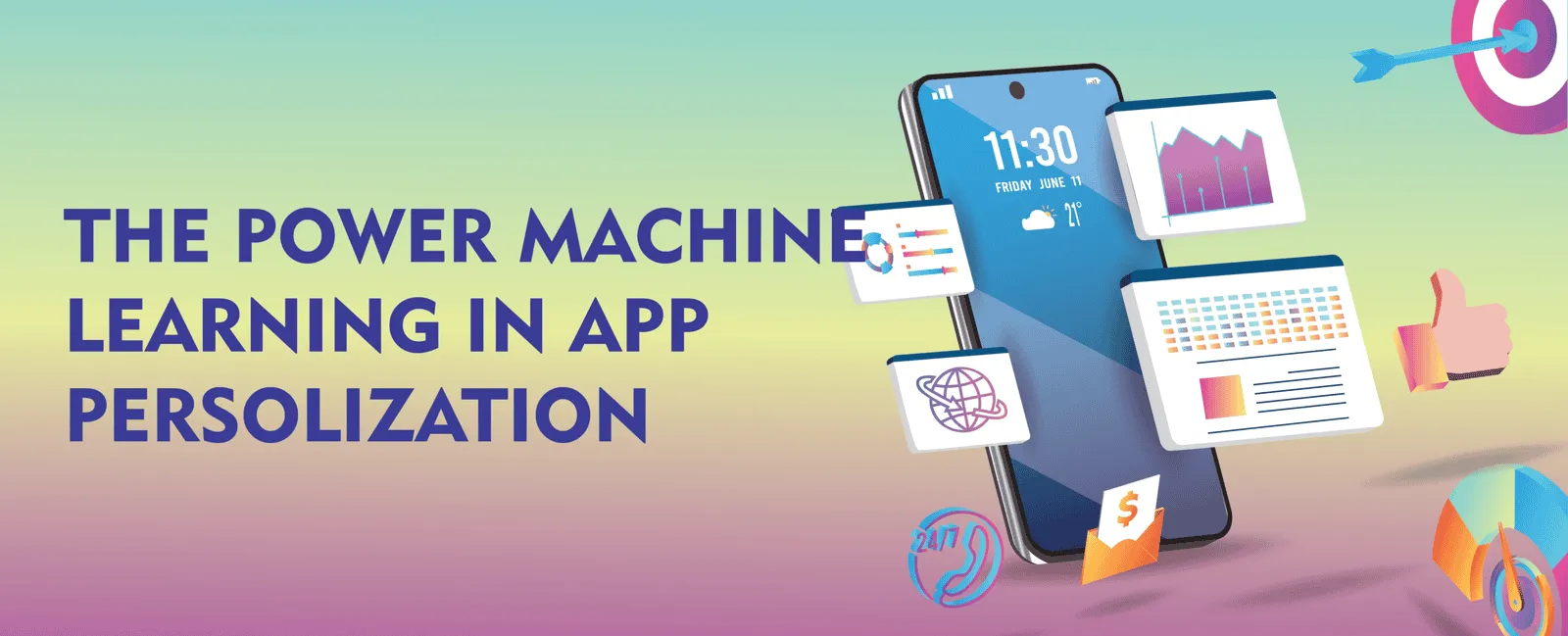
Machine learning has emerged as a pivotal technology in the realm of app personalization, enabling developers to create tailored experiences for users. By leveraging algorithms that can learn from data, applications can adapt to individual preferences and behaviors, enhancing user satisfaction and engagement. This shift towards personalization is not merely a trend; it reflects a fundamental change in how users interact with technology. As users increasingly expect customized experiences, machine learning provides the tools necessary to meet these demands effectively.
The integration of machine learning into app personalization involves analyzing vast amounts of user data to identify patterns and preferences. This process allows applications to deliver content, features, and recommendations that resonate with individual users. As a result, businesses can foster deeper connections with their audience, leading to improved user retention and loyalty. The following sections will explore the various aspects of machine learning in app personalization, including the role of data, user behavior analysis, and the impact on user engagement.
In exploring the role of machine learning in app personalization, it’s insightful to consider related discussions on the broader implications of technology in user experience. For a deeper understanding of how various technologies are shaping digital interactions, you can read the article on the impact of AI on user engagement at Appluxe. This resource provides valuable insights into how advancements in artificial intelligence are enhancing the way apps cater to individual user preferences.
Data serves as the foundation for machine learning algorithms, particularly in the context of app personalization. The effectiveness of these algorithms hinges on the quality and quantity of data collected from users. This data can encompass a wide range of information, including user demographics, interaction history, preferences, and feedback. By aggregating this information, machine learning models can be trained to recognize trends and make informed predictions about user behavior.
Moreover, the continuous collection of data allows for real-time updates to personalization strategies. As users interact with an app, their preferences may evolve, necessitating adjustments to the algorithms that drive personalization. This dynamic nature of data utilization ensures that the app remains relevant and engaging over time. However, it is crucial for developers to prioritize data privacy and security, as users are increasingly concerned about how their information is used. Striking a balance between effective personalization and ethical data practices is essential for long-term success.
Understanding user behavior is a critical component of effective app personalization. Machine learning algorithms can analyze user interactions to uncover insights into how individuals engage with an application. By examining patterns in usage data, developers can identify which features are most popular, what content resonates with users, and where potential drop-off points occur. This understanding enables developers to make informed decisions about app design and functionality.
Additionally, machine learning can segment users based on their behavior, allowing for more targeted personalization strategies. For instance, users who frequently engage with specific types of content can be grouped together, enabling the app to deliver tailored recommendations that align with their interests. This segmentation not only enhances the user experience but also provides valuable insights for marketers looking to optimize their campaigns. By leveraging machine learning to understand user behavior, developers can create more engaging and relevant applications.
The implementation of machine learning in app personalization has a significant impact on user engagement and retention rates. Personalized experiences foster a sense of connection between users and the application, encouraging them to return frequently. When users feel that an app understands their preferences and needs, they are more likely to invest time in exploring its features and content.
Furthermore, machine learning-driven personalization can lead to increased user satisfaction. By providing relevant recommendations and content tailored to individual interests, apps can reduce frustration and enhance the overall experience. This positive interaction not only encourages users to remain engaged but also promotes word-of-mouth referrals, further expanding the app’s reach. As businesses recognize the importance of retaining users in a competitive market, machine learning becomes an invaluable tool for driving engagement and loyalty.
In exploring the transformative impact of machine learning on app personalization, it is insightful to consider how user engagement can be significantly enhanced through tailored experiences. A related article discusses various strategies for optimizing user interactions and can be found here. By leveraging data-driven insights, developers can create more intuitive and engaging applications that resonate with individual preferences, ultimately leading to higher user satisfaction and retention.
| Metric | Description | Impact on App Personalization | Example |
|---|---|---|---|
| User Engagement Rate | Percentage of active users interacting with personalized content | Higher engagement indicates effective personalization | Increase from 45% to 70% after implementing ML-based recommendations |
| Click-Through Rate (CTR) | Ratio of users clicking on personalized suggestions or ads | Improved CTR shows relevance of personalized content | CTR improved by 30% using ML-driven content targeting |
| Retention Rate | Percentage of users returning to the app over time | Personalization helps retain users by providing tailored experiences | Retention increased by 25% with personalized notifications |
| Conversion Rate | Percentage of users completing desired actions (e.g., purchases) | ML personalization boosts conversions by targeting user preferences | Conversion rate rose by 15% after ML-based product recommendations |
| Session Duration | Average time users spend per app session | Longer sessions indicate engaging personalized content | Session duration increased by 20% with adaptive UI personalization |
| Personalization Accuracy | Degree to which ML models predict user preferences correctly | Higher accuracy leads to better user satisfaction | Model accuracy of 85% in predicting user content preferences |
| Recommendation Diversity | Variety of personalized content suggested to users | Ensures users receive broad and relevant options | Diversity score improved by 10% using ML clustering techniques |
One of the most prominent applications of machine learning in app personalization is the generation of personalized recommendations and content curation. By analyzing user behavior and preferences, machine learning algorithms can suggest products, articles, or features that align with individual interests. This capability is particularly evident in e-commerce platforms and streaming services, where tailored recommendations can significantly influence purchasing decisions or viewing habits.
Content curation powered by machine learning not only enhances user satisfaction but also increases the likelihood of conversion. For example, an e-commerce app that suggests items based on previous purchases or browsing history can lead to higher sales volumes. Similarly, a streaming service that recommends shows or movies based on viewing patterns can keep users engaged for longer periods. The ability to deliver relevant content in real-time is a key advantage of machine learning in app personalization.
In the ever-evolving landscape of mobile applications, the role of machine learning in app personalization has become increasingly significant, enabling developers to tailor user experiences based on individual preferences and behaviors. For those interested in understanding how content strategies can enhance user engagement, a related article discusses the importance of guest posting in building authority and driving traffic. You can read more about it in this insightful piece on guest posting. By integrating machine learning with effective content strategies, app developers can create more personalized and engaging experiences for their users.
Get first access to exclusive software reviews, hand-picked SaaS lifetime deals, and digital growth strategies delivered straight to your inbox. No spam, ever—just pure software value to scale your business.
60 subscribers have joined!
If you love lifetime SaaS deals as much as I do, then please subscribe to our monthly/weekly AppLuxe newsletter.
Marcus Vance, SaaS Specialist
You can Submit Guest Post to share your insights with a wider audience.
Machine learning algorithms play a crucial role in enhancing the overall user experience within applications. By automating processes such as content delivery and feature recommendations, these algorithms streamline interactions and reduce friction for users. For instance, chatbots powered by machine learning can provide instant support by understanding user queries and delivering relevant responses without human intervention.
Additionally, machine learning can optimize app performance by predicting potential issues before they affect users. For example, algorithms can analyze usage patterns to identify peak times for server load, allowing developers to allocate resources accordingly. This proactive approach minimizes downtime and ensures a smooth experience for users. Ultimately, the integration of machine learning into app design leads to more intuitive interfaces and seamless interactions.
Predictive analysis is another area where machine learning significantly contributes to app personalization. By analyzing historical data, machine learning models can forecast future user behavior and preferences. This capability allows developers to anticipate user needs and tailor experiences accordingly. For instance, an app might predict when a user is likely to make a purchase based on past behavior, enabling timely promotions or reminders.
User segmentation is closely tied to predictive analysis, as it allows developers to categorize users based on shared characteristics or behaviors. By segmenting users effectively, apps can deliver targeted marketing campaigns or personalized content that resonates with specific groups. This approach not only enhances engagement but also improves conversion rates by ensuring that users receive relevant information at the right time.
A/B testing is a valuable method for optimizing app performance and user experience, and machine learning can enhance this process significantly. Traditional A/B testing involves comparing two versions of an app or feature to determine which performs better; however, incorporating machine learning allows for more sophisticated analysis of results. Algorithms can analyze user interactions across different variations in real-time, identifying patterns that may not be immediately apparent.
By leveraging machine learning in A/B testing, developers can make data-driven decisions about which features or designs resonate most with users. This iterative approach enables continuous improvement of the app based on user feedback and behavior. Furthermore, machine learning can automate aspects of A/B testing by dynamically adjusting variables based on real-time performance metrics, leading to more efficient optimization processes.
Despite its advantages, implementing machine learning for app personalization comes with challenges and limitations. One significant hurdle is the need for high-quality data; without accurate and comprehensive data sets, machine learning models may produce unreliable results. Additionally, data privacy concerns pose a challenge as users become increasingly aware of how their information is collected and used.
Another limitation is the potential for algorithmic bias. If training data reflects existing biases or inequalities, the resulting models may perpetuate these issues in personalized experiences. Developers must be vigilant in ensuring that their algorithms are fair and inclusive. Furthermore, the complexity of machine learning models can make them difficult to interpret, leading to challenges in understanding how decisions are made within the application.
The future of machine learning in app personalization is poised for significant advancements as technology continues to evolve. One emerging trend is the integration of artificial intelligence (AI) with machine learning algorithms to create even more sophisticated personalization strategies. AI-driven systems can analyze complex data sets more effectively than traditional methods, leading to deeper insights into user behavior.
Additionally, advancements in natural language processing (NLP) are likely to enhance personalized interactions within apps. As NLP technology improves, applications will be better equipped to understand user queries and provide relevant responses in real-time. This capability will further enrich the personalized experience by allowing for more conversational interactions between users and apps.
To effectively implement machine learning in app personalization, developers should adhere to several best practices. First and foremost is ensuring data quality; collecting accurate and comprehensive data is essential for training reliable models. Developers should also prioritize transparency with users regarding data collection practices to build trust.
Another best practice involves continuously monitoring and refining machine learning models based on user feedback and behavior changes. Regularly updating algorithms ensures that personalization strategies remain relevant over time. Finally, fostering collaboration between data scientists and app developers can lead to more innovative solutions that leverage machine learning effectively.
In conclusion, machine learning has transformed app personalization by enabling developers to create tailored experiences that resonate with individual users. Through data analysis, understanding user behavior, and optimizing engagement strategies, businesses can enhance user satisfaction and retention rates. While challenges exist in implementing these technologies responsibly, the potential benefits make it a critical area for ongoing exploration and innovation in the digital landscape.
App personalization refers to the process of tailoring the user experience within an application based on individual preferences, behaviors, and data. This customization aims to make the app more relevant and engaging for each user.
Machine learning enables apps to analyze large amounts of user data, identify patterns, and predict user preferences. This allows the app to dynamically adjust content, recommendations, and features to better suit each user’s needs.
Data used includes user behavior (such as clicks, time spent, and navigation paths), demographic information, location data, device usage, and interaction history. This data helps machine learning models understand user preferences and improve personalization.
Common techniques include collaborative filtering, content-based filtering, clustering, and deep learning. These methods help in recommending products, customizing interfaces, and predicting user actions to enhance the personalized experience.
Benefits include improved user engagement, higher retention rates, increased user satisfaction, and better conversion rates. Machine learning-driven personalization helps create a more intuitive and relevant app experience for each individual user.
[rafflepress id=”1″]

LoyAnn Sherwood is the CEO and Founder of AppLuxe. She spent approximately 25 years in the healthcare industry before transitioning to digital entrepreneurship. Sherwood founded AppLuxe in 2026 after acquiring the domain and identifying an opportunity to build a luxury-positioned app and software marketplace. She manages the platform's editorial direction and business development strategy.
Get first access to exclusive software reviews, hand-picked SaaS lifetime deals, and digital growth strategies delivered straight to your inbox. No spam, ever—just pure software value to scale your business.
60 subscribers have joined!
If you love lifetime SaaS deals as much as I do, then please subscribe to our monthly/weekly AppLuxe newsletter.
Marcus Vance, SaaS Specialist