Discover expert articles on AI, SaaS, software, marketing, SEO, affiliate marketing and startup growth.
Discover expert articles on AI, SaaS, software, marketing, SEO, affiliate marketing and startup growth.
By LoyAnn Sherwood
Published on Apr 26, 2026
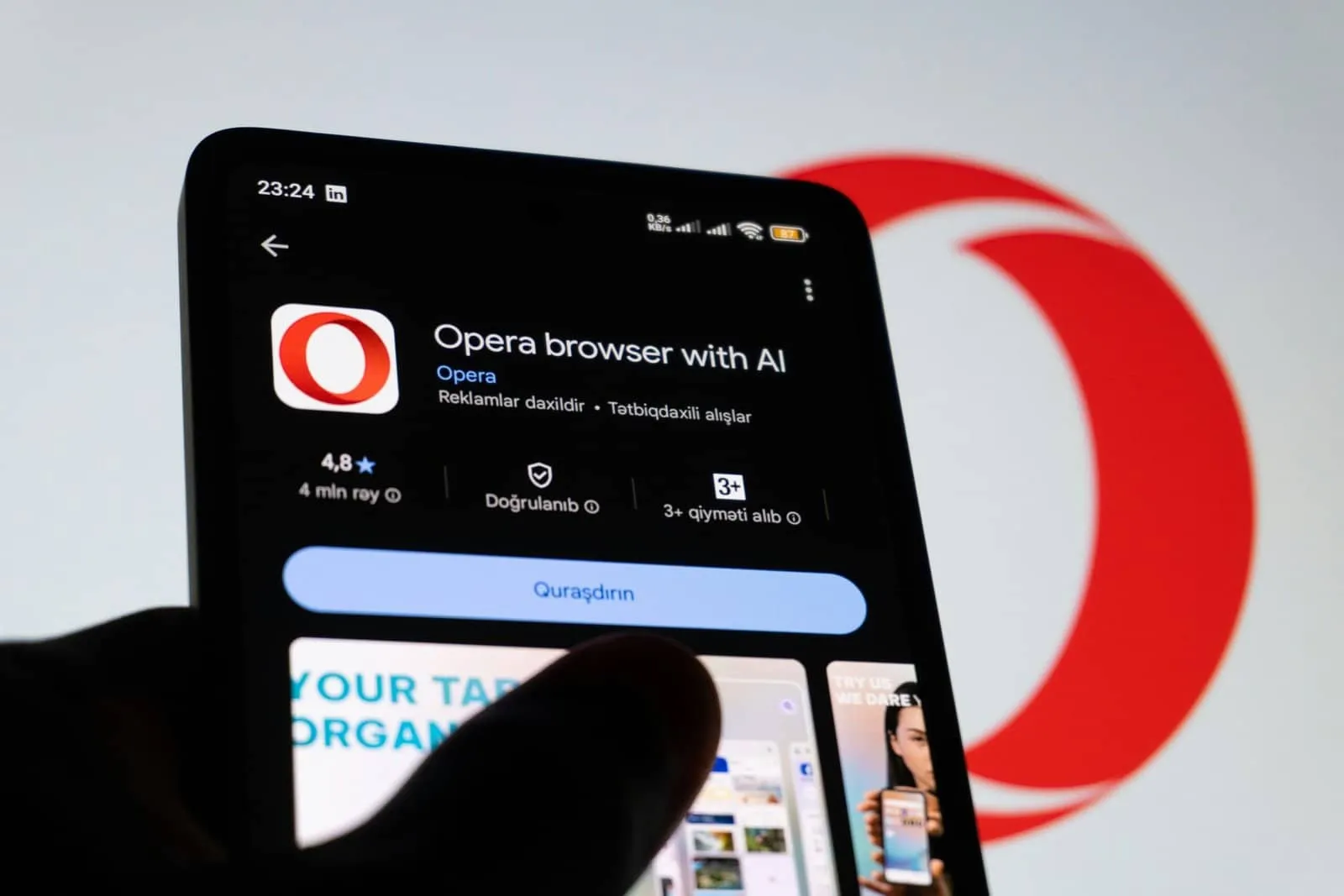
Mobile apps aren’t just a trend anymore; they’re a fundamental part of how we live and work. We’re seeing them evolve well beyond simple tools for daily tasks, becoming powerful, integrated platforms that are shaping how we interact with technology and each other. This isn’t about shiny new features much as it is about deep, systemic shifts in what’s possible and what’s expected from our digital companions.
For a while, “mobile app” meant “smartphone app,” but that’s rapidly changing. Apps are breaking free from the confines of our pockets and finding homes on a surprising array of devices.
Smartwatches, fitness trackers, and even smart rings are no longer just showing notifications. Their apps are becoming sophisticated health monitors, providing real-time data on sleep patterns, heart rate variability, and activity levels. This isn’t just about counting steps; it’s about providing actionable insights. We’re seeing apps that integrate with continuous glucose monitors for diabetes management or offer personalized workout routines based on recovery data. The key here is proactive health management, often with a preventative focus, rather than reactive treatment
Our vehicles are becoming rolling computers, and apps are a big part of that transformation. We’re not just talking about navigation anymore. Apps are managing charging schedules for electric vehicles, pre-conditioning cabins, or even enabling over-the-air software updates. The infotainment system is becoming a personalized hub, allowing for streaming services, productivity tools, and even augmented reality displays for navigation, which overlay directions directly onto the road ahead. This integration aims to create a seamless experience between our digital lives and our travel.
While still a developing field, AR and VR are set to be significant app platforms. Imagine apps that allow you to virtually try on clothes, visualize furniture in your home before buying it, or participate in truly immersive training simulations. These apps will redefine how we learn, shop, and entertain ourselves. The focus here is on enriching our perception of reality, adding layers of digital information or creating entirely new, simulated environments. We’re seeing early examples in gaming and design, but the potential for broader impact is substantial.
As we explore the future of mobile apps in the tech industry, it’s essential to consider the evolving landscape of affiliate marketing, which plays a significant role in app monetization strategies. For a deeper understanding of how affiliate marketing is shaping the mobile app ecosystem, you can read a related article on this topic at Appluxe. This resource provides insights into the latest trends and techniques that developers and marketers are using to enhance user engagement and drive revenue through mobile applications.
Artificial intelligence and machine learning are no longer theoretical concepts in app development; they’re becoming integral components, making apps far more intelligent and responsive.
Apps are getting much better at understanding individual preferences and behavior. AI algorithms analyze our usage patterns, historical data, and even emotional cues to deliver content, recommendations, or functionalities that are highly relevant. This personalization goes beyond simple suggestions; it’s about creating an adaptive interface that anticipates needs and minimizes friction. Think about a news app that genuinely learns your interests, not just based on keywords, but on the nuances of what you actually read and engage with.
This is where AI truly shines. Apps are beginning to predict our needs before we even articulate them. A travel app might suggest an earlier departure time due to anticipated traffic, or a productivity app might notice a pattern in your work and proactively suggest resources. This isn’t magic; it’s machine learning identifying complex correlations in vast datasets and applying them to individual contexts. The goal is to move from reactive to proactive support, making our digital tools more like helpful assistants.
Voice commands have been around for a while, but NLP (Natural Language Processing) is making them genuinely conversational. Apps are understanding context, intent, and even subtleties in speech, allowing for more natural and intuitive interactions. We’re moving beyond rigid commands to actual dialogue with our devices. This is crucial for accessibility and for hands-free interactions, which are increasingly important across various device types. It impacts everything from smart home control to complex data queries.
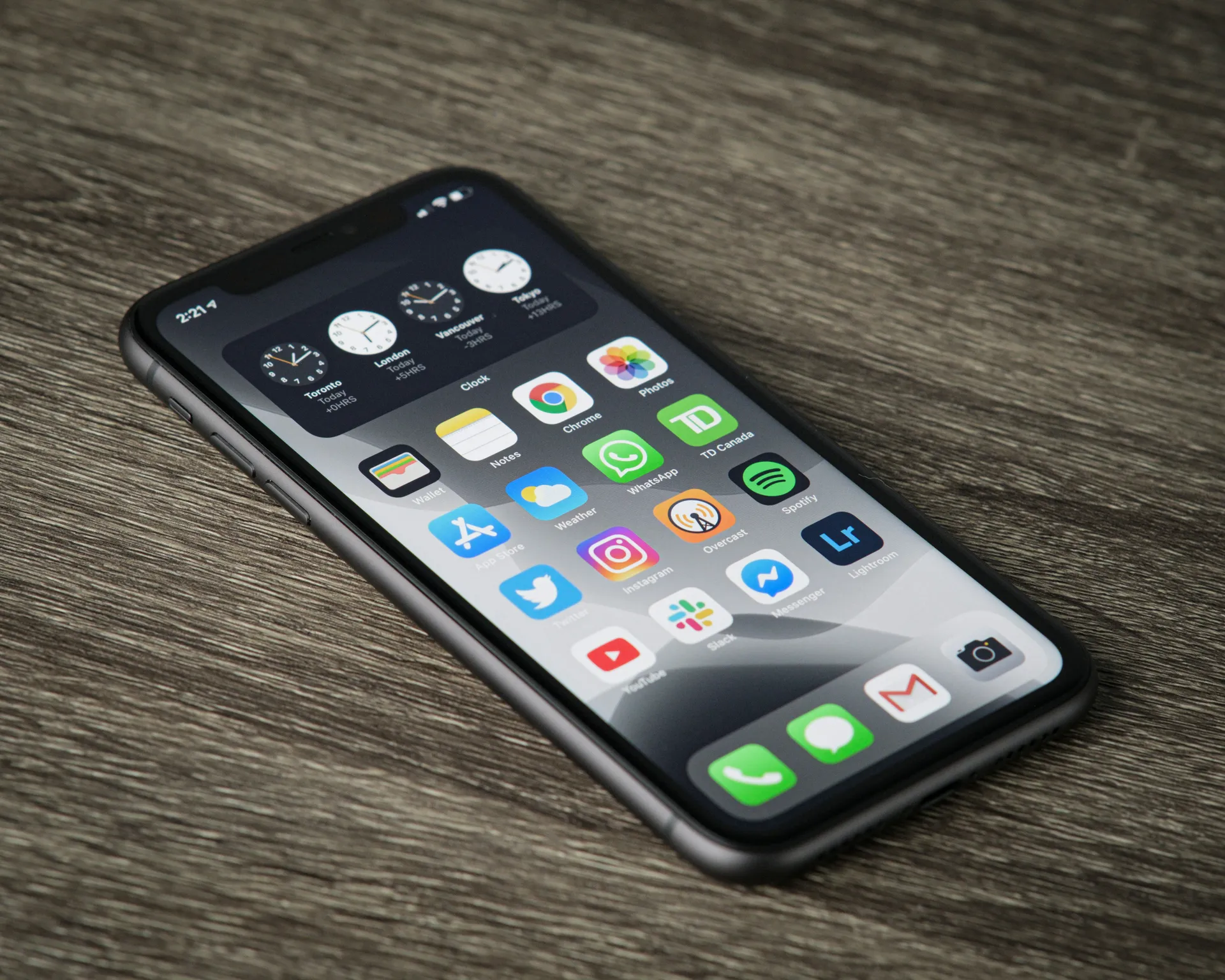
As apps become more powerful and gather more data, the need for robust privacy and security measures is paramount. Users are more aware than ever of their digital footprint.
Operating systems are giving users much finer control over what data apps can access. We’re seeing more transparency about data usage and clearer options for revoking permissions. This empowers users to make informed decisions about their privacy. This isn’t just about turning things on or off; it’s about understanding the implications of each permission and having the ability to adjust them at any time. Developers are facing increasing pressure to justify their data requests.
For sensitive information, end-to-end encryption is becoming a standard expectation, not a premium feature. This ensures that only the sender and intended recipient can read data, minimizing the risk of interception. Beyond encryption, robust data protection frameworks are being implemented to prevent breaches and misuse of personal information. Companies are investing heavily in safeguarding data, not just to comply with regulations, but to maintain user trust.
Blockchain technology offers a fascinating approach to privacy. Decentralized identity solutions could give individuals complete control over their digital identities, allowing them to selectively share verifiable credentials without divulging unnecessary personal information. While still in its early stages for mainstream app integration, this technology holds significant promise for a more secure and user-controlled digital future. It fundamentally shifts who owns and controls personal data, moving it away from centralized entities.
Sure, here is the sentence with the clickable link:
Please proceed to Guest Post Payment to complete your transaction.
Get first access to exclusive software reviews, hand-picked SaaS lifetime deals, and digital growth strategies delivered straight to your inbox. No spam, ever—just pure software value to scale your business.
60 subscribers have joined!
If you love lifetime SaaS deals as much as I do, then please subscribe to our monthly/weekly AppLuxe newsletter.
Marcus Vance, SaaS Specialist

Developers are constantly looking for ways to build efficient, scalable apps that work seamlessly across various devices and operating systems without rebuilding from scratch every time.
Tools like React Native, Flutter, and Xamarin are enabling developers to write a single codebase that can be deployed across iOS, Android, and often web platforms. This reduces development time and costs significantly, allowing for faster updates and more consistent user experiences. It’s a pragmatic approach to reach a wider audience without multiplying engineering effort. These frameworks are constantly evolving, adding more native-like performance and feature access.
PWAs offer a bridge between traditional websites and native apps. They can be installed on a device, work offline, and send push notifications, all while running directly in a web browser. This eliminates the need for app store downloads and updates, making them incredibly accessible and convenient for many use cases. For businesses, PWAs lower the barrier to entry for users and offer a flexible deployment model. They blur the lines between web and native experiences.
Apps are rarely standalone anymore. They’re part of a larger ecosystem, connecting via APIs to other services, hardware, and platforms. This interoperability allows for richer functionality and seamless workflows. Think of an app that can book a ride, order food, and check your calendar, all through integrations with other services. The emphasis is on creating a connected experience where data and functionality flow smoothly between different digital tools. This requires careful API design and management.
As we explore the future of mobile apps in the tech industry, it’s essential to consider the evolving landscape of user experience and design. A related article that delves into these trends can be found at Appluxe, where they discuss how innovative approaches are reshaping the way users interact with applications. This insight can provide valuable context for understanding the potential advancements and challenges that lie ahead in mobile app development.
| Metrics | Data |
|---|---|
| Number of mobile app downloads | Over 200 billion in 2020 |
| Revenue from mobile apps | Expected to reach 935 billion by 2023 |
| Number of mobile app developers | Over 26 million worldwide |
| Percentage of time spent on mobile apps | Average of 90% of mobile device time |
| Projected growth of mobile app market | Expected to grow at a CAGR of 11.5% from 2021-2026 |
The app market is mature, leading to innovative approaches to how apps generate revenue and sustain themselves, moving beyond simple one-time purchases or pervasive advertising.
Many apps are shifting from one-time purchases to subscription models, offering ongoing access to features, content, or services. This provides a more predictable revenue stream for developers and allows for continuous development and improvement. Users, in turn, get access to regularly updated and enhanced products. This model is seen across productivity, entertainment, and even some utility apps. It focuses on long-term user engagement and value.
The freemium model remains popular, offering a basic set of features for free and then charging for premium functionalities, advanced tools, or an ad-free experience. This allows users to try an app before committing financially. Often, these models include different tiers, catering to varying levels of user needs and budgets. The challenge is finding the right balance between free and paid functionality to entice upgrades without alienating free users.
Beyond subscriptions, in-app purchases continue to be a significant revenue driver, particularly in gaming, but also in other categories like customization options or access to unique content. Some apps are even developing complex virtual economies where users can earn, buy, and trade digital assets. This creates deeper engagement and a sense of ownership within the app’s ecosystem. The design of these economies is complex, aiming for balance and fairness.
While sensitive, responsible data monetization remains a factor. This doesn’t mean selling user data directly, but rather using anonymized and aggregated data to understand market trends, improve services, or offer targeted advertising within the app itself. The critical aspect here is transparency and ethical adherence to privacy policies. Users need to understand how their data contributes to the service and have clear choices about participation. It’s a tightrope walk between generating revenue and maintaining trust.
Mobile apps are a crucial part of the tech industry, with millions of apps available for download on various platforms. They are used for a wide range of purposes, including entertainment, productivity, communication, and more.
In the future, mobile apps are expected to become even more integrated into everyday life, with advancements in technology such as augmented reality, artificial intelligence, and 5G leading to more immersive and powerful app experiences.
Some emerging trends in mobile app development include the rise of progressive web apps, the increasing use of machine learning and AI in app functionality, and the growing importance of app security and privacy.
Mobile apps are expected to have a significant impact on other industries, such as healthcare, finance, and education, by providing new ways for businesses to connect with customers and for individuals to access services and information.
Mobile app developers may face challenges such as ensuring compatibility with a wide range of devices and operating systems, addressing security concerns, and keeping up with the rapid pace of technological advancements.


LoyAnn Sherwood is the CEO and Founder of AppLuxe. She spent approximately 25 years in the healthcare industry before transitioning to digital entrepreneurship. Sherwood founded AppLuxe in 2026 after acquiring the domain and identifying an opportunity to build a luxury-positioned app and software marketplace. She manages the platform's editorial direction and business development strategy.
Get first access to exclusive software reviews, hand-picked SaaS lifetime deals, and digital growth strategies delivered straight to your inbox. No spam, ever—just pure software value to scale your business.
60 subscribers have joined!
If you love lifetime SaaS deals as much as I do, then please subscribe to our monthly/weekly AppLuxe newsletter.
Marcus Vance, SaaS Specialist