Breaking

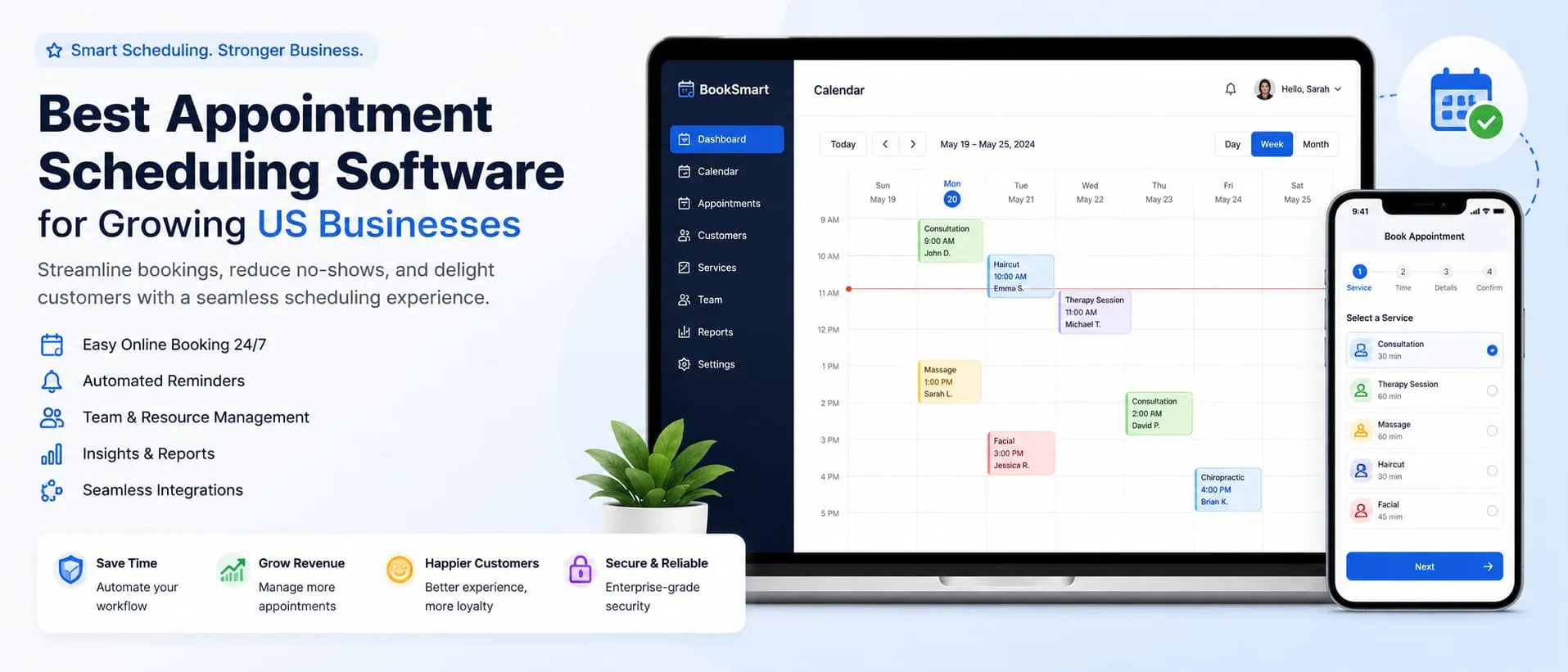
Best Appointment Scheduling Software for Growing US Businesses

|
Appluxe

Discover expert articles on AI, SaaS, software, marketing, SEO, affiliate marketing and startup growth.

Apps & Software 11 min read 66 views

Maximizing Sales: Tips for Success on the Online Marketplace

L

By LoyAnn Sherwood

Published on Apr 27, 2026
Maximizing Sales: Tips for Success on the Online Marketplace
Featured Video: Discover AppLuxe

about

Let’s talk about how to really make your online store shine. The core of maximizing sales on any online marketplace boils down to making things easy for your customers, building trust, and getting your products seen by the right people. It’s about being smart with your listings, engaging with your audience, and streamlining your operations.

Your product listing isn’t just a place to put a price tag; it’s your virtual storefront. It needs to be enticing and informative enough to convince someone to click “add to cart.”

High-Quality Visuals are Non-Negotiable

Think about it: online, people can’t touch or feel your product. Their eyes are doing all the work.

  • Multiple Angles, Plenty of Detail: Don’t skimp here. Show your product from every conceivable angle. If it has a unique texture or intricate detail, get a close-up shot. Imagine you’re trying to describe it to someone over the phone – what would you want them to see?
  • Zoom Functionality: This isn’t just a nice-to-have; it’s essential. Customers want to inspect what they’re buying, just like they would in a physical store.
  • Lifestyle Shots: Show your product in use. A shirt on a model, a gadget being held, a piece of furniture in a styled room – this helps customers visualize themselves with the item.

Detailed Descriptions with a Purpose

Beyond just listing features, your descriptions need to tell a story about why these features matter to the customer.

  • Benefits Over Features: Instead of just saying “it’s made of durable steel,” explain that “this durable steel ensures lifelong use, saving you money on replacements.” People buy solutions, not just products.
  • Keywords Naturally Integrated: Think about what your customers would type into a search bar. Use those terms naturally throughout your description. This helps search engines find you.
  • Clear and Concise Language: Avoid jargon. Get to the point. People often skim online, so use bullet points for easy readability.
  • Localization for New Markets: If you’re expanding globally, good quality translations are crucial. Don’t rely on automated translations; invest in someone who understands the nuances of the language and culture. This builds trust and shows you’re serious about serving those customers.

In recent discussions about the evolution of e-commerce, the rise of online marketplaces has become a focal point for both consumers and businesses alike. A related article that delves deeper into this topic is available at this link, where you can explore the various dynamics and trends shaping the online marketplace landscape. This resource provides valuable insights into how these platforms are transforming the way we shop and sell in the digital age.

Harnessing the Power of Social Proof

People trust other people more than they trust brands. That’s just how it works. Social proof, especially in the form of reviews, is incredibly influential.

Encourage and Showcase Customer Reviews

This is a big one. Data consistently shows that a huge percentage of shoppers – somewhere between 77% and 99% – read reviews before making a purchase. That’s almost everyone.

  • Automatic Follow-Ups: Set up automated emails after a purchase, politely asking for a review. Make it easy for them by including a direct link.
  • Incentivize (Carefully): Some marketplaces allow small incentives for reviews, like a discount on a future purchase. Check the platform’s rules before you do this. The goal is genuine feedback.
  • Respond to All Reviews: Good or bad, respond thoughtfully. Thank positive reviewers. For negative ones, acknowledge their issue, offer a solution, and show you care. This demonstrates excellent customer service to anyone reading.

Visual Testimonials Boost Trust

Written reviews are great, but visuals take it up a notch.

  • User-Generated Photos and Videos: Actively encourage customers to share photos or videos of your product in use. This provides authentic, relatable content. You can even run contests for the best user-generated content.
  • Embed Testimonials: If you have a separate website, embed these reviews and testimonials there. Showcase them prominently on your product pages. Seeing real people use and enjoy your product is a powerful motivator.

Streamlining the Purchase Journey

A smooth checkout process is vital. Any hiccup can lead to a lost sale. You want to remove as many barriers as possible between a customer seeing an item they like and actually buying it.

Offer Diverse Payment Options

People have preferences when it comes to how they pay. The more options you provide, the less likely they are to abandon their cart.

  • Credit/Debit Cards: This is standard, so make sure all major cards are accepted.
  • Digital Wallets: PayPal, Apple Pay, Google Pay – these are incredibly popular for their speed and convenience. Many people prefer them for security reasons too.
  • Secure Transactions: This builds trust. Clearly display security badges (SSL certificates, etc.) on your checkout pages. Reassure customers that their financial information is safe. This isn’t just good practice; it’s essential for preventing cart abandonment.

Tackle Cart Abandonment Head-On

It’s frustrating when someone fills a cart only to leave without buying. But it’s also an opportunity to win them back.

  • Email Reminders for Abandoned Carts: Set up automated emails. A gentle reminder that they left something behind often works.
  • Offer a Small Incentive: In a follow-up email, consider offering a small discount or free shipping to seal the deal. Sometimes, just a little nudge is all it takes.
  • Address Common Reasons: If you see a pattern in abandonment, try to fix it. Is shipping too high? Payment options limited? Be proactive.

Convenient Shipping and Fulfillment

The easier it is for a customer to get their hands on your product, the better.

  • Free or Discounted Shipping: This is a huge motivator. Even if you have to build a small amount of the shipping cost into your product price, customers perceive “free shipping” as a major bonus.
  • Click-and-Collect Options: If you have a physical presence or a local pickup point, offering click-and-collect or local pickup is a fantastic convenience for customers who want their items quickly and to avoid shipping fees.

Sure, here is the sentence with the clickable link: Please proceed to the Guest Post Payment page to complete your transaction.

Smart Inventory and Operational Management

Behind the scenes, how you manage your stock and processes can make or break your online success. It’s not just about selling; it’s about selling efficiently.

Focus on Your Top Performers

You can’t be everything to everyone. It’s often more effective to optimize for what’s already working well.

Apps, Software, SaaS, Lifetime deals & discounts right to your in-box.

Get first access to exclusive software reviews, hand-picked SaaS lifetime deals, and digital growth strategies delivered straight to your inbox. No spam, ever—just pure software value to scale your business.

5 subscribers have joined!

If you love lifetime SaaS deals as much as I do, then please subscribe to our monthly/weekly AppLuxe newsletter.

Marcus Vance, SaaS Specialist

  • Identify Best-Sellers: Regularly analyze your sales data. What products are consistently flying off the shelves? Double down on promoting these.
  • Optimize Stock for Demand: Once you know your best-sellers, make sure you have ample stock, especially in peak seasons. Conversely, don’t overstock slow-movers that tie up your capital.

Automate Inventory and Order Syncing

Manual inventory management is a headache and prone to errors. Automation saves time and prevents embarrassing situations like selling out-of-stock items.

  • Utilize E-commerce Platforms: Platforms like Shopify offer robust inventory management. You can also integrate with tools like Channable or similar inventory management systems.
  • Cross-Platform Synchronization: If you sell on multiple marketplaces (e.g., Etsy, Amazon, your own website), it’s crucial that your inventory updates across all platforms in real-time. This prevents overselling and helps you efficiently manage orders from a central dashboard.
  • Automated Reordering: Set up rules for automatic reordering when stock levels hit a certain threshold. This keeps your best-sellers consistently available.

In the ever-evolving landscape of e-commerce, understanding the dynamics of an online marketplace is crucial for success. A recent article discusses the importance of SEO strategies tailored specifically for these platforms, highlighting how effective optimization can significantly enhance visibility and sales. For those interested in diving deeper into this topic, you can read more about it in this insightful piece on SEO for online marketplaces. By implementing the right techniques, sellers can navigate the competitive environment and reach their target audience more effectively.

Driving Traffic and Building Connections

MetricsData
Number of Users10 million
Number of Sellers100,000
Number of Products5 million
Monthly Visitors50 million
Conversion Rate3%

Having a great product and a smooth checkout isn’t enough if nobody knows you exist. You need to actively bring people to your store.

Leverage Promotions and Social Media

This is where you get to be creative and engage directly with your potential customers.

  • Advance Teasers and Exclusives: Build anticipation for new products or upcoming sales. Use social media to drop hints and create a buzz. Offer exclusive early access to your email subscribers or social media followers.
  • Run Contests and Giveaways: These are excellent for increasing engagement, getting new followers, and driving traffic. Ask people to tag friends or share your post to enter.
  • Use Relevant Hashtags: Don’t just throw random hashtags out there. Research what’s popular and relevant to your niche. This helps people discover your content.
  • Targeted Social Media Ads: Platforms like Facebook and Instagram offer powerful targeting tools. You can reach very specific demographics based on interests, age, location, and even behavior.

Build a Dynamic Content and SEO Strategy

This is about attracting organic traffic – people who come to you because you’ve provided value, not just because of an ad. It’s a long-game strategy, but incredibly effective.

  • Valuable Stories and Thought Leadership: Don’t just sell, educate and entertain. Share blog posts, videos, or infographics related to your products or industry. For example, if you sell kitchenware, share recipes or cooking tips. If you sell outdoor gear, share hiking guides.
  • Answer Customer Questions: What common questions do your customers have? Create content that answers them. This positions you as an expert and helps with SEO.
  • Keyword Research: Understand what terms people are searching for related to your products or industry. Use these keywords naturally in your content.
  • Quality Content Over Quantity: A few well-researched, genuinely helpful blog posts will do more for you than a dozen poorly written, generic ones.
  • Regular Updates: Keep your content fresh. A stale blog signals a stale brand.

Personalization for a Tailored Experience

In today’s competitive landscape, treating every customer the same is a missed opportunity. People expect a personalized touch.

  • AI-Driven Recommendations: Implement AI that suggests products based on a customer’s browsing history, past purchases, or items similar to what they’re currently viewing. This is like a smart salesperson who knows their preferences.
  • Tailored Offers: Send personalized emails with discounts on items they’ve shown interest in or related products they might like. “Because you bought X, you might also like Y.”
  • Segment Your Audience: Divide your customer base into different groups based on their behavior or demographics. Then, send targeted messages and offers to each segment. A first-time buyer might get a different offer than a loyal, repeat customer. This approach increases conversion rates because the offer feels relevant to them.

Putting these pieces together isn’t about working harder, but working smarter. It’s an ongoing process of refining, testing, and adapting. The online marketplace is constantly evolving, so staying informed and agile is your best bet for maximizing your sales.

Submit Guest Post

FAQs

What is an online marketplace?

An online marketplace is a website or platform where multiple third-party sellers list and sell their products or services to consumers. Examples of online marketplaces include Amazon, eBay, and Etsy.

How do online marketplaces work?

Online marketplaces typically allow sellers to create accounts and list their products or services for sale. Consumers can then browse the marketplace, compare products from different sellers, and make purchases directly through the platform.

What are the benefits of using an online marketplace?

Using an online marketplace can provide consumers with a wide selection of products or services from various sellers, competitive pricing, and the convenience of shopping from one platform. For sellers, online marketplaces offer access to a large customer base and the infrastructure to process transactions.

What are some popular online marketplaces?

Some popular online marketplaces include Amazon, eBay, Etsy, Alibaba, and Walmart Marketplace. Each of these platforms caters to different types of products and services, and may have different seller requirements and fees.

What should I consider before selling on an online marketplace?

Before selling on an online marketplace, sellers should consider the platform’s fees, seller requirements, competition, and the potential for reaching their target audience. It’s also important to understand the platform’s policies and procedures for handling transactions, returns, and customer service.


Professional woman with glasses smiling. App monetization strategies expert.

Share This Article:
In-Article Placement Box

Apps, Software, SaaS, Lifetime deals & discounts right to your in-box.

Get first access to exclusive software reviews, hand-picked SaaS lifetime deals, and digital growth strategies delivered straight to your inbox. No spam, ever—just pure software value to scale your business.

5 subscribers have joined!

If you love lifetime SaaS deals as much as I do, then please subscribe to our monthly/weekly AppLuxe newsletter.

Marcus Vance, SaaS Specialist