Discover expert articles on AI, SaaS, software, marketing, SEO, affiliate marketing and startup growth.
Discover expert articles on AI, SaaS, software, marketing, SEO, affiliate marketing and startup growth.
By LoyAnn Sherwood
Published on Mar 15, 2026
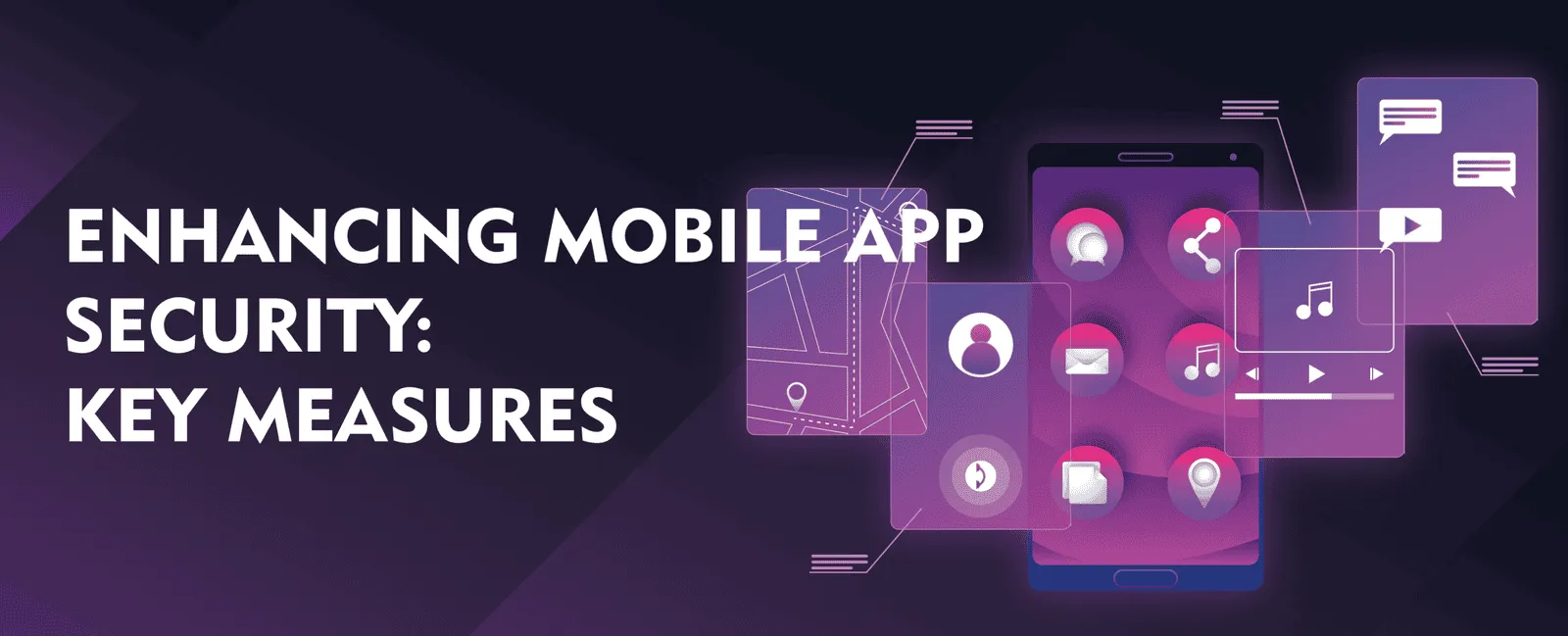
In an increasingly digital world, mobile applications have become integral to daily life, serving various functions from communication to banking. As the reliance on these applications grows, so does the need for robust security measures. Mobile app security is crucial not only for protecting sensitive user data but also for maintaining user trust and ensuring compliance with regulations. A single security breach can lead to significant financial losses, reputational damage, and legal repercussions for developers and companies alike. Therefore, understanding the importance of mobile app security is essential for anyone involved in app development or deployment.
The landscape of mobile threats is constantly evolving, with cybercriminals employing sophisticated techniques to exploit vulnerabilities. These threats can range from data breaches and identity theft to malware attacks and phishing schemes. As such, developers must prioritize security throughout the app development lifecycle. This includes not only implementing protective measures but also staying informed about emerging threats and adapting strategies accordingly. By recognizing the critical nature of mobile app security, stakeholders can better prepare to defend against potential risks and safeguard both their applications and users.
When considering security measures for mobile apps, it is essential to stay informed about the latest trends and best practices in the industry. A related article that provides valuable insights on this topic can be found at Appluxe, where you can explore various strategies to enhance the security of your mobile applications and protect user data effectively.
One of the foundational elements of mobile app security is the implementation of strong authentication measures. Authentication serves as the first line of defense against unauthorized access, making it essential for protecting sensitive information. Traditional username and password combinations are often insufficient due to their vulnerability to various attacks, such as brute force or credential stuffing. Therefore, developers should consider adopting multi-factor authentication (MFA) methods that require users to provide additional verification, such as a one-time code sent via SMS or an authentication app.
In addition to MFA, biometric authentication methods, such as fingerprint scanning or facial recognition, can enhance security by leveraging unique physical characteristics of users. These methods not only improve security but also offer a more convenient user experience. However, it is important to ensure that biometric data is stored securely and that users are informed about how their data will be used. By implementing strong authentication measures, developers can significantly reduce the risk of unauthorized access and enhance the overall security posture of their mobile applications.
Securing data transmission is another critical aspect of mobile app security that cannot be overlooked. When data is transmitted between a mobile device and a server, it is vulnerable to interception by malicious actors. To mitigate this risk, developers should employ secure communication protocols such as HTTPS, which encrypts data in transit. This ensures that even if data packets are intercepted, they remain unreadable to unauthorized parties.
In addition to using secure protocols, developers should also implement measures such as certificate pinning. This technique helps prevent man-in-the-middle attacks by ensuring that the app only communicates with trusted servers. By validating the server’s certificate against a known set of certificates embedded within the app, developers can further enhance the security of data transmission. Overall, securing data transmission is vital for protecting user information and maintaining the integrity of mobile applications.
Regular updates and patches are essential for maintaining mobile app security over time. As new vulnerabilities are discovered and threats evolve, developers must be proactive in addressing these issues through timely updates. Failing to do so can leave applications exposed to known exploits that could be easily mitigated with a simple patch. Moreover, regular updates not only enhance security but also improve functionality and user experience.
Developers should establish a routine for monitoring their applications for vulnerabilities and releasing updates as needed. This may involve conducting regular code reviews, utilizing automated tools for vulnerability scanning, and staying informed about security advisories related to third-party libraries or frameworks used in the app. By prioritizing regular updates and patches, developers can significantly reduce the risk of security breaches and ensure that their applications remain resilient against emerging threats.
When considering the security measures for mobile apps, it’s essential to stay informed about the latest developments and best practices in the field. A helpful resource can be found in a related article that discusses various strategies to enhance mobile app security. You can explore this informative piece further by visiting this link, which offers insights into product reviews and recommendations that can aid developers in creating safer applications.
| Security Measure | Description | Effectiveness | Implementation Complexity | Common Use Cases |
|---|---|---|---|---|
| Data Encryption | Encrypts data stored on device and in transit to prevent unauthorized access. | High | Medium | Protecting sensitive user data, financial apps, messaging apps |
| Multi-Factor Authentication (MFA) | Requires multiple verification methods to authenticate users. | Very High | Medium | Banking apps, enterprise apps, email clients |
| Code Obfuscation | Transforms code to make reverse engineering difficult. | Medium | High | Apps with proprietary algorithms or sensitive logic |
| Secure API Communication | Uses HTTPS and token-based authentication for API calls. | High | Medium | Apps interacting with backend servers |
| Regular Security Updates | Frequent patches to fix vulnerabilities and improve security. | High | Low | All mobile apps |
| Biometric Authentication | Uses fingerprint, facial recognition for user authentication. | High | Medium | Financial apps, secure messaging, device unlocking |
| Secure Storage | Stores sensitive data in secure containers or keychains. | High | Medium | Password managers, payment apps |
| Runtime Application Self-Protection (RASP) | Monitors app behavior to detect and prevent attacks in real-time. | High | High | Enterprise apps, high-security apps |
| Input Validation | Validates user inputs to prevent injection attacks. | High | Low | All apps accepting user input |
| Session Management | Manages user sessions securely to prevent hijacking. | High | Medium | Apps with login functionality |
Encryption plays a vital role in safeguarding sensitive data within mobile applications. By converting readable data into an unreadable format, encryption ensures that even if data is accessed by unauthorized individuals, it remains protected. Developers should implement encryption both at rest and in transit to provide comprehensive protection for user information.
For data at rest, developers can use encryption algorithms such as AES (Advanced Encryption Standard) to secure stored information on devices or servers. This is particularly important for sensitive data such as personal identification numbers (PINs), passwords, or financial information. Additionally, encrypting data in transit using protocols like TLS (Transport Layer Security) ensures that information remains secure while being transmitted over networks. By utilizing encryption effectively, developers can enhance the overall security of their mobile applications and protect user data from potential breaches.
When considering the security measures for mobile apps, it is essential to stay informed about the latest trends and best practices in the industry. A related article that provides valuable insights is available at Appluxe, where you can explore various aspects of mobile app security and learn how to protect user data effectively. By understanding these measures, developers can create safer applications that enhance user trust and engagement.
Get first access to exclusive software reviews, hand-picked SaaS lifetime deals, and digital growth strategies delivered straight to your inbox. No spam, ever—just pure software value to scale your business.
60 subscribers have joined!
If you love lifetime SaaS deals as much as I do, then please subscribe to our monthly/weekly AppLuxe newsletter.
Marcus Vance, SaaS Specialist
You can Submit Guest Post on our website to share your insights with a wider audience.
Conducting regular security audits and testing is a crucial practice for identifying vulnerabilities within mobile applications. Security audits involve a comprehensive review of an app’s architecture, codebase, and configurations to assess its security posture. This process helps identify potential weaknesses that could be exploited by attackers. Developers should consider engaging third-party security experts to conduct these audits, as they can provide an objective assessment and offer insights based on industry best practices.
In addition to audits, penetration testing is another effective method for evaluating an app’s security. This involves simulating real-world attacks to identify vulnerabilities that may not be apparent through standard testing methods. By proactively identifying and addressing these weaknesses, developers can significantly reduce the risk of exploitation and enhance the overall security of their applications. Regular security audits and testing should be integrated into the development lifecycle to ensure ongoing protection against emerging threats.
Implementing appropriate access control measures is essential for ensuring that only authorized users can access specific features or data within a mobile application. Access control mechanisms help prevent unauthorized access and protect sensitive information from being exposed or manipulated by malicious actors. Developers should adopt a principle of least privilege (PoLP), granting users only the permissions necessary for their roles or tasks.
Role-based access control (RBAC) is one effective approach to managing user permissions within an application. By categorizing users into roles with predefined access levels, developers can streamline permission management while enhancing security. Additionally, implementing session management practices—such as session timeouts and secure token storage—can further protect against unauthorized access during active sessions. By establishing robust access control measures, developers can significantly reduce the risk of data breaches and ensure that user information remains secure.
User education is a critical component of mobile app security that is often overlooked. Even with robust security measures in place, users can inadvertently compromise their own security through poor practices or lack of awareness. Developers should take proactive steps to educate users about best practices for maintaining their own security while using the application.
This education can take various forms, including in-app tutorials, informative articles on the app’s website, or regular communication through newsletters or notifications. Topics may include creating strong passwords, recognizing phishing attempts, and understanding the importance of keeping the app updated. By empowering users with knowledge about potential threats and safe practices, developers can foster a more secure environment for everyone involved.
Integrating app protection solutions can further enhance the security of mobile applications by providing additional layers of defense against various threats. These solutions may include application firewalls, intrusion detection systems, or anti-malware tools designed specifically for mobile environments. By leveraging these technologies, developers can proactively monitor for suspicious activity and respond to potential threats in real time.
Moreover, some app protection solutions offer features such as code obfuscation or tamper detection, which can help prevent reverse engineering or unauthorized modifications to the application. By integrating these protective measures into their development process, developers can create a more resilient application that is better equipped to withstand attacks from malicious actors.
Continuous monitoring and response capabilities are essential for maintaining mobile app security in an ever-changing threat landscape. Developers should implement monitoring tools that track user behavior and system activity within the application to identify potential anomalies or suspicious actions. This proactive approach allows for early detection of potential threats before they escalate into significant issues.
In addition to monitoring, having a well-defined incident response plan is crucial for effectively addressing security breaches when they occur. This plan should outline steps for containment, investigation, communication with affected users, and remediation efforts. By being prepared to respond swiftly to security incidents, developers can minimize damage and restore user trust more effectively.
Collaboration with security experts and professionals is an invaluable strategy for enhancing mobile app security. Engaging with individuals who specialize in cybersecurity can provide developers with insights into best practices, emerging threats, and effective mitigation strategies. This collaboration may take various forms, including consulting services, partnerships with cybersecurity firms, or participation in industry forums and conferences.
By leveraging the expertise of security professionals, developers can stay informed about the latest trends in mobile app security and ensure that their applications are equipped with cutting-edge protective measures. Furthermore, fostering relationships with experts in the field can facilitate knowledge sharing and collaboration on research initiatives aimed at improving overall industry standards for mobile app security.
In conclusion, ensuring mobile app security requires a multifaceted approach that encompasses various strategies and practices throughout the development lifecycle. From implementing strong authentication measures to educating users about best practices, each aspect plays a vital role in safeguarding sensitive information and maintaining user trust. By prioritizing security at every stage—from design to deployment—developers can create resilient applications capable of withstanding evolving threats in today’s digital landscape.
Common security measures for mobile apps include data encryption, secure authentication methods (such as multi-factor authentication), regular security updates, code obfuscation, and secure data storage practices.
Encryption protects sensitive data by converting it into a coded format that can only be accessed or decrypted by authorized users, preventing unauthorized access during data transmission or storage.
Multi-factor authentication requires users to provide two or more verification factors (e.g., password and a fingerprint or a one-time code), making it significantly harder for attackers to gain unauthorized access even if one factor is compromised.
Regular updates address newly discovered vulnerabilities, patch security flaws, and improve overall app defenses, helping to protect users from emerging threats and exploits.
Developers can use techniques like code obfuscation, tamper detection, and secure API communication to make it difficult for attackers to analyze, modify, or replicate the app’s code and functionality.
[rafflepress id=”1″]


LoyAnn Sherwood is the CEO and Founder of AppLuxe. She spent approximately 25 years in the healthcare industry before transitioning to digital entrepreneurship. Sherwood founded AppLuxe in 2026 after acquiring the domain and identifying an opportunity to build a luxury-positioned app and software marketplace. She manages the platform's editorial direction and business development strategy.
Get first access to exclusive software reviews, hand-picked SaaS lifetime deals, and digital growth strategies delivered straight to your inbox. No spam, ever—just pure software value to scale your business.
60 subscribers have joined!
If you love lifetime SaaS deals as much as I do, then please subscribe to our monthly/weekly AppLuxe newsletter.
Marcus Vance, SaaS Specialist