Discover expert articles on AI, SaaS, software, marketing, SEO, affiliate marketing and startup growth.
Discover expert articles on AI, SaaS, software, marketing, SEO, affiliate marketing and startup growth.
By LoyAnn Sherwood
Published on Apr 27, 2026
When it comes to getting eyes on your website, search engine optimization (SEO) is where it’s at. And to do SEO well, you need the right tools. Simply put, SEO tools are software that help you analyze, monitor, and improve your website’s visibility in search engine results. They cover everything from understanding what people are searching for to checking your site’s technical health. Let’s dive into some of the best ones and how they can seriously boost your online presence.
Think of SEO as a continuous journey, not a destination. The digital world is constantly changing, with search engine algorithms updating regularly and competitors always trying to outrank you. Without the right tools, you’re essentially navigating this complex landscape blindfolded.
Relying on intuition alone for your SEO strategy is a recipe for disappointment. SEO tools provide data-driven insights that clarify what’s working, what’s not, and where new opportunities lie. They help you move beyond guesswork and make informed decisions that actually move the needle.
Imagine manually checking every keyword ranking, every backlink, or every technical error on your website. It would be a full-time job, if not several. SEO tools automate many of these tedious tasks, freeing up your time to focus on strategy and content creation. This efficiency translates directly into saved resources and a more productive workflow.
What are your rivals doing that’s making them successful? SEO tools can often shed light on their strategies, from the keywords they target to the backlinks they acquire. This competitive intelligence is invaluable for refining your own approach and finding ways to differentiate yourself.
When exploring effective strategies for profitable blogging, it’s essential to consider the role of SEO tools in enhancing your content’s visibility. A related article that delves deeper into this topic is available at Monetize Your Blog: Strategies for Profitable Blogging, which provides valuable insights on how to leverage SEO tools to maximize your blog’s potential. By integrating these tools into your blogging strategy, you can attract more traffic and ultimately increase your revenue.
For a holistic view of your SEO performance, a comprehensive suite is often the way to go. These platforms offer a wide array of features under one roof, making it easier to manage various aspects of your strategy.
Semrush is arguably one of the most recognized and powerful SEO platforms outout there. It’s a genuine all-rounder, offering tools for practically every aspect of digital marketing, not just SEO.
At its core, Semrush excels at keyword research. You can plug in a topic or a competitor’s URL and get a wealth of data: search volume, keyword difficulty, related keywords, and even questions people ask around that topic. This helps you identify high-potential keywords that are relevant to your audience and achievable for your site. Its Keyword Magic Tool is particularly useful for brainstorming and expanding your keyword list.
Wondering why your competitor is outranking you? Semrush’s competitor analysis features are a goldmine. You can see their top organic keywords, how much traffic they get from each, and even their advertising strategies. This insight allows you to spot gaps in your own strategy and uncover opportunitiesที่คุณอาจมองข้ามไป (that you might have overlooked).
Technical SEO is often overlooked, but it’s crucial. Semrush’s site audit tool crawls your website and flags issues like broken links, duplicate content, slow-loading pages, and missing meta descriptions. Fixing these technical glitches can significantly improve your site’s crawlability and user experience, which in turn pleases search engines.
Backlinks are a major ranking factor. Semrush helps you analyze your own backlink profile (who’s linking to you), as well as your competitors’. This information is vital for understanding your domain authority and finding potential backlink opportunities. You can also identify and disavow harmful backlinks that could be hurting your ranking.
Ahrefs is another titan in the SEO world, often lauded for its unparalleled backlink data and robust content analysis features. While it also offers a comprehensive suite, its strengths lie particularly in these two areas.
If backlinks are a priority for you, Ahrefs is hard to beat. Its site explorer allows you to see every backlink pointing to any website, along with metrics like Domain Rating (DR) and URL Rating (UR), which indicate the strength of the linking page/domain. You can identify toxic backlinks, find broken links to reclaim, and discover new link-building prospects.
Struggling for content ideas? Ahrefs’ Content Explorer is a fantastic tool. You can search for popular content around any topic, filtered by social shares, organic traffic, and referring domains. This helps you identify what content resonates with your audience and what types of articles are performing well in your niche. It’s great for content gap analysis, letting you see what topics your competitors are covering that you aren’t.
While famous for backlinks, Ahrefs also boasts an excellent keyword research tool. It provides vast amounts of data, including search volume, keyword difficulty, and estimated clicks. Its “Parent Topic” feature is particularly clever, showing you the broader topic a specific keyword belongs to, which can help in structuring your content strategy.
While comprehensive suites are great, sometimes you need a specialized tool that does one thing exceptionally well. These targeted solutions can often provide deeper insights or unique functionalities.
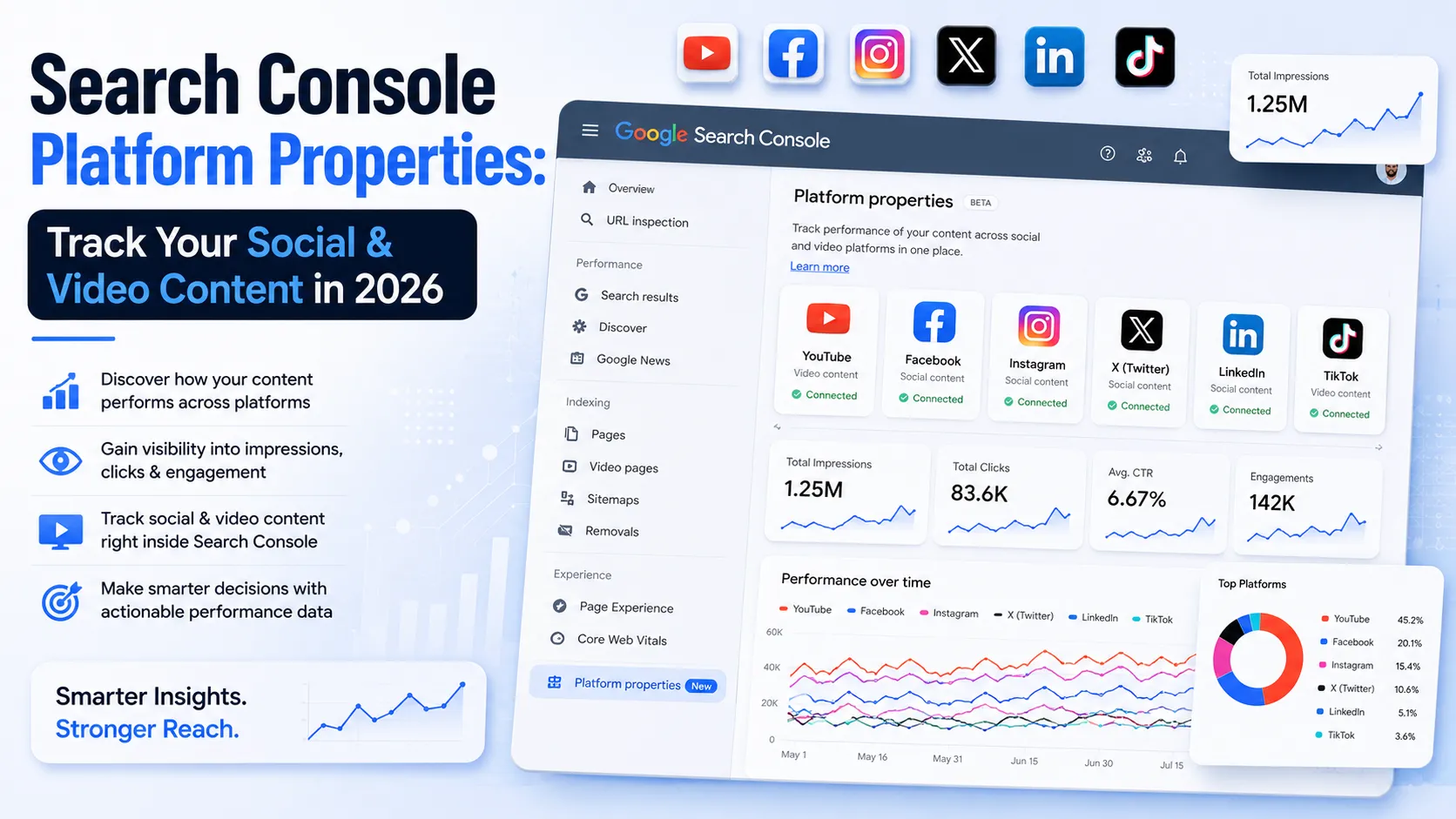
Google Search Console (GSC) is a free tool provided directly by Google, and it’s absolutely non-negotiable for anyone serious about SEO. It’s like a direct line to how Google views your website.
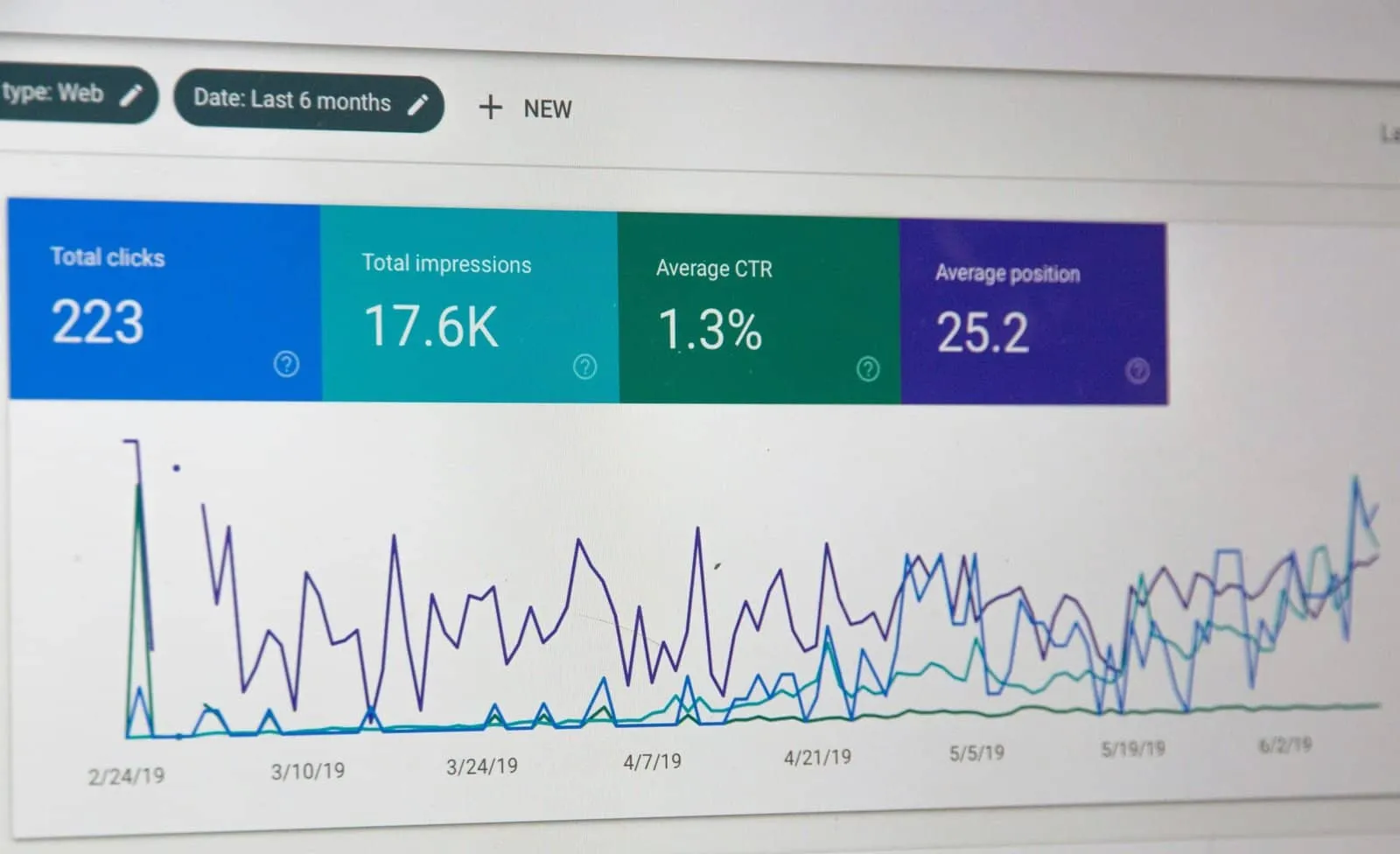
GSC offers invaluable performance reports showing you how often your site appears in search results, which queries lead to those appearances, and your click-through rate (CTR). This data comes directly from Google, making it the most accurate source for understanding your organic search performance. You can see which pages are getting impressions and clicks and identify promising keywords you might not have focused on.
Is Google actually finding and indexing your content? GSC tells you. It reports on any indexing issues, such as pages that are blocked by robots.txt, 404 errors, or pages that Google has chosen not to index. Addressing these errors is critical for ensuring your content can actually appear in search results.
You can submit your sitemaps directly to GSC, helping Google discover all your important pages. It also alerts you to any manual actions taken against your site (e.g., penalties for violating Google’s guidelines), giving you critical time to address them.
Surfer SEO stands out as a content optimization tool. It helps you create content that is not only keyword-rich but also comprehensive and relevant to your target audience, all based on what’s already ranking well.
The core of Surfer SEO is its content editor. You input your target keyword, and Surfer analyzes the top-ranking pages for that keyword. It then provides specific recommendations on how to improve your content, including optimal word count, suggested keywords (both broad and exact match), heading structure, and even image suggestions. It’s like having an AI editor that guides you to create a high-ranking article.
You can also use Surfer to audit your existing content. It will compare your current pages against the top performers and give you actionable advice on what to add or improve to boost their rankings. This is incredibly useful for revitalizing older content that might be underperforming.
Beyond the editor, Surfer’s SERP Analyzer lets you dig into the factors contributing to the success of pages already ranking on the first page. You can see their word count, number of headings, backlinks, and more, giving you a clearer picture of what it takes to compete.
Sure, here is the sentence with the clickable link:
I found the perfect app for my needs on the AppLuxe℠ App Marketplace.
Get first access to exclusive software reviews, hand-picked SaaS lifetime deals, and digital growth strategies delivered straight to your inbox. No spam, ever—just pure software value to scale your business.
60 subscribers have joined!
If you love lifetime SaaS deals as much as I do, then please subscribe to our monthly/weekly AppLuxe newsletter.
Marcus Vance, SaaS Specialist
Technical SEO is the backbone of your website’s performance. Without a solid technical foundation, even the best content and backlinks might struggle to get noticed. These tools help ensure your site is crawlable, fast, and secure.
Screaming Frog SEO Spider is a desktop program that acts like a search engine spider, crawling your website and collecting vital technical SEO data. It’s a must-have for anyone managing a website larger than a handful of pages.
This tool can crawl your entire website (or specific sections) and identify a vast array of technical issues. Think broken links (404s), redirect chains, duplicate content, missing or duplicate meta descriptions and title tags, unoptimized image alt text, and much more. It essentially gives you a detailed X-ray of your website’s technical health.
Screaming Frog can also generate XML sitemaps, which are crucial for helping search engines discover and index all the important pages on your site. You can customize these sitemaps to include or exclude specific pages.
One of its strengths is its ability to integrate with Google Analytics and Google Search Console data. This allows you to combine your crawl data with actual user behavior and indexing information, giving you a more complete picture of your site’s performance and issues.
Website speed isn’t just about user experience (which it definitely is!); it’s also a significant ranking factor for search engines. Tools like GTmetrix and Google’s own PageSpeed Insights help you diagnose and fix performance bottlenecks.
Both tools analyze your website’s loading speed and provide a detailed breakdown of what’s causing it to slow down. They offer scores, performance metrics (like Largest Contentful Paint, Cumulative Layout Shift, etc.), and prioritize suggestions for improvement. These suggestions often include optimizing images, leveraging browser caching, minifying CSS/JavaScript, and reducing server response times.
Beyond just speed, these tools also look at user experience metrics, particularly for mobile devices. Given the dominance of mobile search, ensuring your site is fast and responsive on phones is paramount. Paying attention to their recommendations can have a direct impact on your rankings and bounce rate.
The beauty of these tools is that they don’t just tell you there’s a problem; they provide specific, actionable recommendations on how to fix it. This empowers you to either implement the changes yourself or provide clear instructions to your web developer.
When exploring the best SEO tools available, it’s essential to consider how user feedback can shape your choices. A recent article discusses the importance of gathering insights from users to enhance your SEO strategy. You can read more about this topic in the article on user feedback for SEO tools at this link, which highlights various tools and their effectiveness based on real user experiences.
| SEO Tool | Features | Pricing |
|---|---|---|
| Ahrefs | Keyword research, backlink analysis, site audit | Starting at 99/month |
| Moz | Keyword research, link building, site crawl | Starting at 99/month |
| SEMrush | Keyword research, competitive analysis, site audit | Starting at 99.95/month |
SEO isn’t a one-and-done task. It requires continuous monitoring and tracking to ensure your efforts are paying off and to catch any potential issues before they become major problems.
While not strictly an “SEO tool” in the traditional sense, Google Analytics (GA) is indispensable for understanding how users interact with your website. This data is crucial for refining your SEO strategy.
GA shows you where your traffic is coming from (organic search, social, direct, referrals), what pages people are visiting, how long they stay, and bounce rates. This information helps you understand which of your SEO efforts are driving engaged visitors. For example, if organic traffic to a particular page has a very high bounce rate, it might indicate that the content isn’t meeting user expectations, despite ranking well.
If your website has specific goals (e.g., sales, lead forms, newsletter sign-ups), GA allows you to track conversions. By attributing conversions to traffic sources and specific pages, you can pinpoint which SEO efforts are contributing most to your business objectives. This helps you prioritize and justify your SEO investments.
Linking your Google Analytics account with Google Search Console provides an even richer dataset, allowing you to see search queries and landing page performance side-by-side with user behavior metrics. This integration is powerful for content optimization.
Moz Pro is another comprehensive suite, but it’s particularly well-regarded for its unique Domain Authority (DA) metric and robust rank tracking capabilities.
Moz’s proprietary DA and PA scores are widely used proxies for website and page strength in the eyes of search engines. While not directly used by Google, they offer a good benchmark for comparing your site’s authority against competitors and tracking your growth over time. Building a strong DA is often a key long-term SEO goal.
Moz Pro offers detailed rank tracking for your target keywords across various search engines and locations. You can monitor your daily or weekly ranking fluctuations, identify sudden drops or gains, and track your competitors’ positions as well. This immediate feedback helps you react quickly to changes in the search landscape.
Similar to Ahrefs and Semrush, Moz’s Link Explorer provides powerful backlink analysis, helping you discover link opportunities, assess the quality of linking domains, and disavow harmful links. Its focus on DA and PA makes it particularly useful for prioritizing link-building efforts towards high-authority sites.
When exploring the landscape of SEO tools, it’s essential to consider how privacy policies can impact your data usage and online strategies. A comprehensive understanding of these policies can help you make informed decisions about which tools to integrate into your workflow. For more insights on this topic, you can check out a related article that discusses the importance of privacy in digital marketing strategies. To read more, visit this article for valuable information.
With so many excellent SEO tools available, it can feel a bit overwhelming to pick the right ones. Here’s a practical approach:
Ultimately, the best SEO tools are the ones you actually use and that help you achieve your goals. They are investments in your online visibility and, when used correctly, can provide a significant return. Happy optimizing!
SEO tools are software or online platforms designed to help website owners and digital marketers improve their search engine optimization (SEO) efforts. These tools can help with keyword research, on-page optimization, link building, and performance tracking.
SEO tools are important because they provide valuable insights and data that can help website owners and digital marketers make informed decisions about their SEO strategies. These tools can help identify opportunities for improvement and track the effectiveness of SEO efforts.
Common features of SEO tools include keyword research and analysis, on-page optimization suggestions, backlink analysis, website performance tracking, competitor analysis, and reporting capabilities. Some tools may also offer additional features such as content optimization and local SEO tools.
SEO tools help improve website rankings by providing insights into keyword opportunities, identifying technical issues that may be impacting search visibility, and helping to monitor and improve backlink profiles. By using these tools, website owners and digital marketers can make data-driven decisions to optimize their websites for search engines.
Some popular SEO tools available in the market include Google Analytics, Google Search Console, SEMrush, Ahrefs, Moz, Screaming Frog, and Yoast SEO. These tools offer a range of features to help with various aspects of SEO, such as keyword research, on-page optimization, and performance tracking.


LoyAnn Sherwood is the CEO and Founder of AppLuxe. She spent approximately 25 years in the healthcare industry before transitioning to digital entrepreneurship. Sherwood founded AppLuxe in 2026 after acquiring the domain and identifying an opportunity to build a luxury-positioned app and software marketplace. She manages the platform's editorial direction and business development strategy.
Get first access to exclusive software reviews, hand-picked SaaS lifetime deals, and digital growth strategies delivered straight to your inbox. No spam, ever—just pure software value to scale your business.
60 subscribers have joined!
If you love lifetime SaaS deals as much as I do, then please subscribe to our monthly/weekly AppLuxe newsletter.
Marcus Vance, SaaS Specialist