So, you want to build a profitable app sales funnel? Great! The core idea boils down to a clear five-step process: analyze your audience, capture those potential users, guide them through a solid landing experience, persuade them with targeted messaging, and then retain them while you track your progress. It’s not about magic, but a methodical approach to turning curious clicks into loyal customers. Let’s break it down.
1. Know Your People: Analyze Your Audience and Market
Before you even think about building an app, or scaling an existing one, you need to deeply understand who you’re trying to reach and why they would care. This isn’t just a fluffy marketing exercise; it’s foundational to everything else you’ll do.
1.1 Who are Your Buyer Personas?
Imagine your ideal users. Are they students, busy professionals, gamers, or maybe small business owners? Give them names, jobs, and hobbies. What problems do they face that your app could solve? What are their daily routines like? Seriously, dig in.
Customer Data Dive: If you already have some users, look at your existing data. What are their demographics? How do they interact with your current product or similar apps? What features do they use most? Which ones do they ignore? Tools like Amplitude, Mixpanel, or even Google Analytics for your website can be goldmines here.
Market Research Mavericks: Don’t just guess. Look at market reports. What are the trends in your industry? Are there emerging technologies, or shifts in user behavior you need to be aware of? Are people spending more on productivity apps, or entertainment?
Competitor Analysis Crew: Who else is playing in your sandbox? Download their apps. Become a user. What do they do well? Where do they fall short? Read their app store reviews – seriously – users often tell you exactly what they love and hate. This isn’t about copying; it’s about finding gaps and opportunities.
For a freemium app: How do competitors drive upgrades? What features do they gate?
For a subscription app: What’s their pricing strategy? How do they handle trials?
For a paid app: What’s the perceived value they offer for their price point?
1.2 What’s the Landscape Look Like?
Beyond individual users, consider the broader market. Is it saturated? Is there a niche waiting to be filled? Knowing the competitive landscape helps you position your app effectively.
SWOT Analysis (Strengths, Weaknesses, Opportunities, Threats): Apply this classic framework to your app idea within its market. What are your internal strengths? What are your weaknesses? What external opportunities exist? What external threats (new competitors, changing regulations) should you be mindful of?
Problem-Solution Fit: Have you truly identified a widespread problem that your app uniquely solves? Not just a perceived problem, but one that people are actively seeking solutions for. This is where innovation often lies.
This initial analysis phase isn’t a one-and-done deal. Markets and users evolve, so make this an ongoing process. Understanding your audience deeply allows you to tailor your messaging, features, and pricing effectively, setting the stage for everything that follows.
Creating a successful app sales funnel is essential for maximizing your app’s potential and driving conversions. To further enhance your understanding of effective strategies, you might find it beneficial to read a related article titled “Gastbeitrag in 5 einfachen Schritten,” which provides valuable insights into crafting compelling content and optimizing user engagement. You can access the article here. This resource can complement your efforts in developing a robust sales funnel for your app.
2. Cast a Wide Net: Capture Leads Across Channels
Once you know who you’re looking for, the next step is to actually find them and get their attention. This isn’t about spamming; it’s about being present where your potential users are and offering them a clear path to engage with your app.
2.1 First Impressions: Onboarding That Hooks
Whether it’s your app itself or your website, the first interaction is crucial. This is your chance to make a strong value statement and gently guide users.
App Onboarding: For apps, this is often the very first screen users see after installation. It needs to be quick, intuitive, and immediately convey why they should care.
Freemium App Example: A quick tour highlighting 2-3 core features that solve a clear pain point, followed by a simple “Sign Up” or “Continue as Guest” option.
Subscription App Example: A brief explanation of the key benefits your subscription unlocks, possibly a mention of a free trial, then a clear call to action (CTA) to start the trial or subscribe.
Paid App Example: Since they’ve already paid, the onboarding should get them straight to the “aha!” moment of using the app quickly, perhaps with hints or a short tutorial.
Web Onboarding/Landing Page: If you’re directing traffic to a website first, the goal is often to get an email address or direct them to the app store. We’ll dive deeper into dedicated landing pages next, but think about that initial “above the fold” content.
2.2 Reaching Out: Ads and Content
This is where you proactively go out and find your audience. You’ve done your analysis; now use that information to target.
Targeted Advertising:
Social Media Ads: Platforms like Facebook, Instagram, TikTok, and LinkedIn offer incredibly granular targeting options based on demographics, interests, and behaviors. Remember those buyer personas? Use them here!
Search Engine Marketing (SEM): Google Ads allows you to target users actively searching for solutions your app provides. If your app helps with “budgeting,” bidding on keywords like “best budgeting app” is a no-brainer.
App Store Ads: Apple Search Ads and Google Play Ads allow you to promote your app directly within the app stores, reaching users who are already in a discovery mindset.
Content Marketing:
Blog Posts: Write articles that address the problems your app solves. If your app helps with language learning, write guides on “5 common mistakes when learning Spanish.”
Videos/Tutorials: Show, don’t just tell. Short, engaging videos on YouTube, TikTok, or Instagram Reels can quickly demonstrate your app’s value.
Infographics/Guides: Digestible, shareable content that provides value even before someone downloads your app.
Podcasts/Webinars: Position yourself as an expert in your app’s niche.
Omnichannel Strategy: The key is to be consistent across all channels. Your messaging, branding, and value proposition should be unified, no matter where a potential user encounters you.
2.3 Other Omnichannel Touchpoints
Don’t limit yourself. Think broadly about where your audience hangs out online and offline.
Partnerships: Collaborate with complementary businesses or influencers. If you have a fitness app, partner with a healthy food blogger.
Public Relations: Earned media mentions from tech blogs, industry publications, or even local news can drive significant awareness.
Email Marketing (Post-Initial Capture): Once you get that email address through a lead magnet (e.g., a free guide, a newsletter signup), nurture them towards downloading the app.
Community Engagement: Participate in relevant online forums, subreddits, or Facebook groups. Provide genuine value, don’t just push your app.
Referral Programs: Encourage your existing users to spread the word. Word-of-mouth is still one of the most powerful marketing tools.
The goal here isn’t just to get clicks, but to collect qualified prospects. You want people who genuinely fit your buyer personas and could benefit from your app. This capture phase is critical for filling the top of your funnel with promising leads.
3. Make a Clear Path: Build a Strong Landing or App Entry Page
Once you’ve captured someone’s attention, where do you send them? This is arguably the most critical touchpoint in your funnel before they even use your app. Whether it’s a dedicated landing page on your website or the initial experience within your app itself, its purpose is singular: to convert interest into the next desired action.
3.1 The Value Proposition: What’s In It For Me?
Users are selfish (in a good way!). They want to know immediately how your app benefits them. This isn’t the place for a long company history.
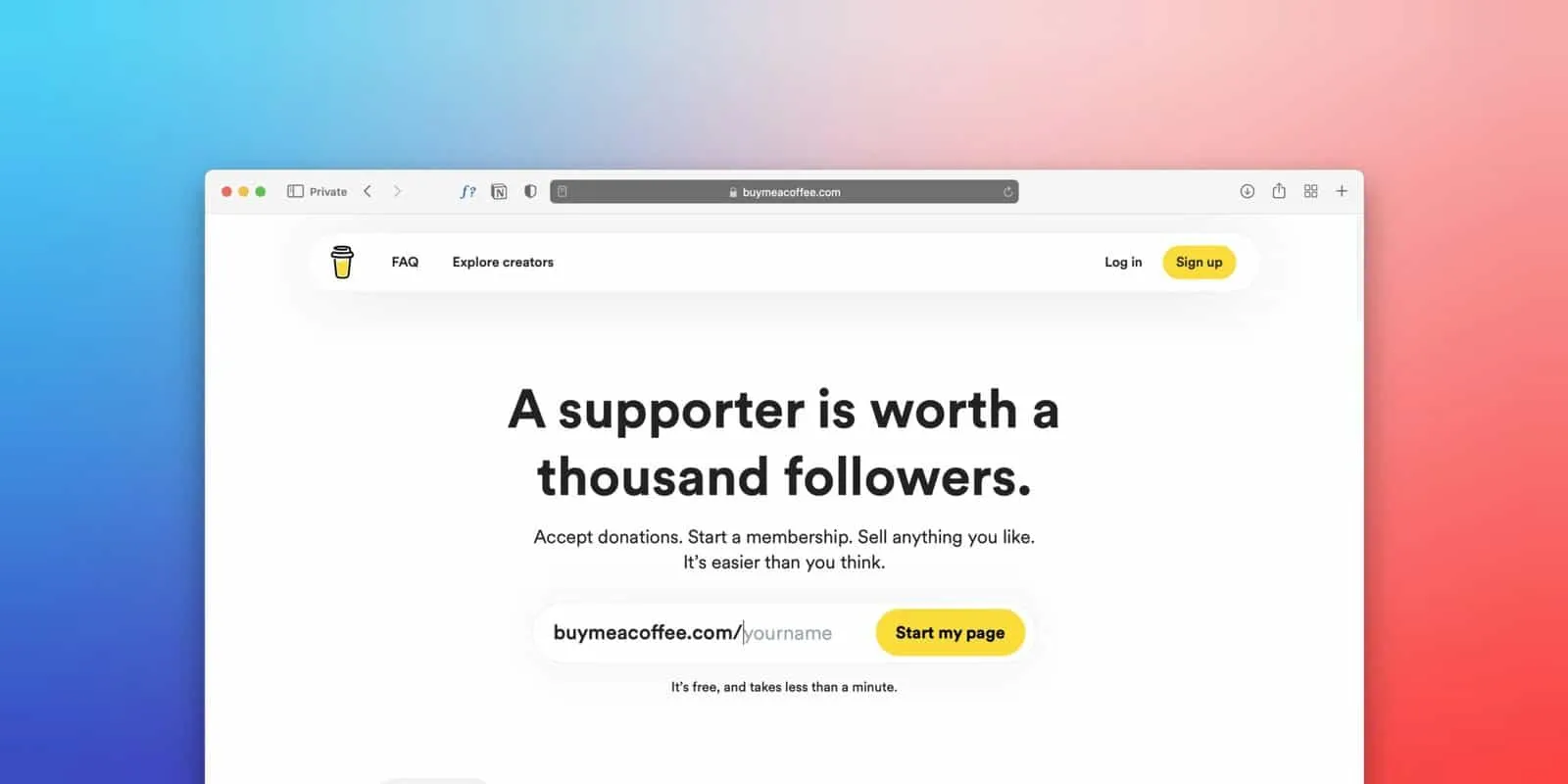
Headline Hero: Your main headline should be crisp, benefit-driven, and immediately convey your app’s core offering. Avoid jargon.
Good Example: “Master Spanish in 10 Minutes a Day.”
Less Good Example: “Our Innovative Solution for Linguistic Acquisition.”
Sub-Headline Support: Elaborate slightly on the headline, perhaps highlighting a key differentiator or a secondary benefit.
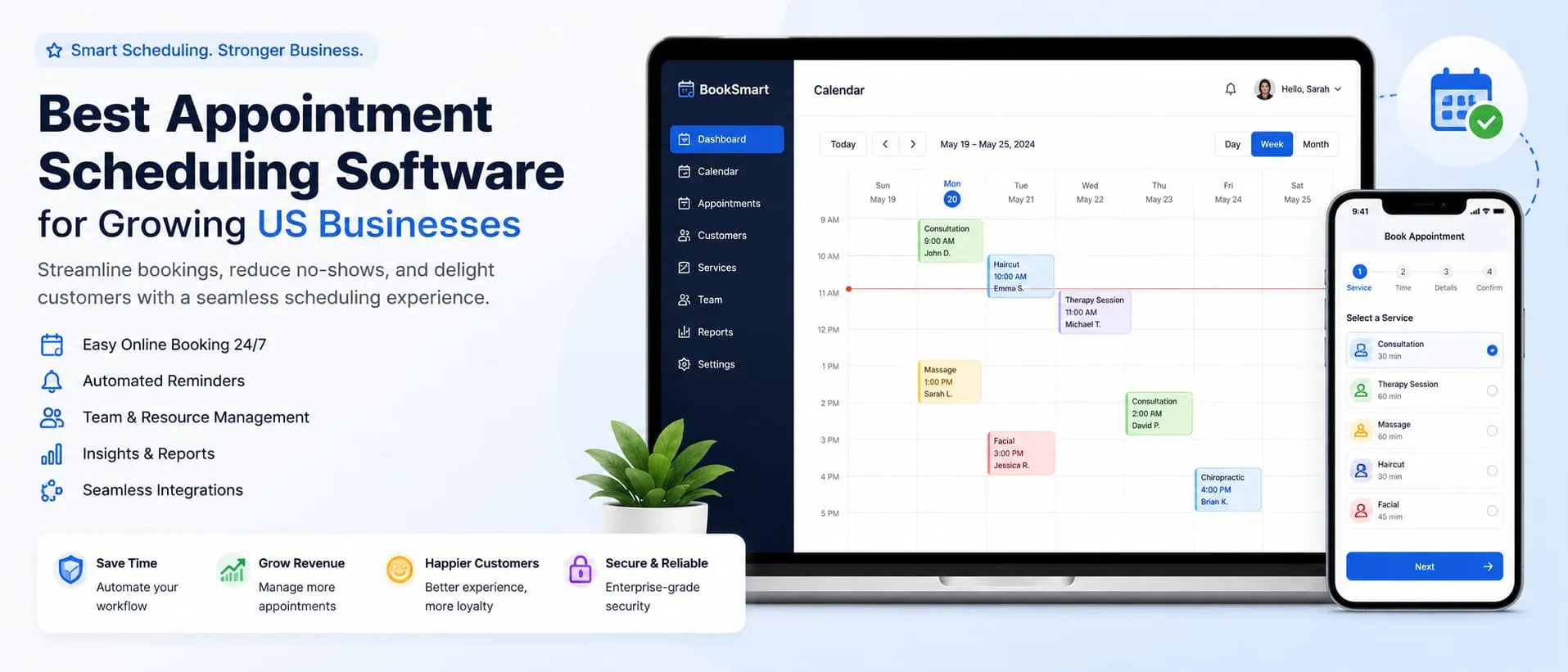
Visual Storytelling: A short, high-quality video or compelling screenshots of your app in action are far more effective than paragraphs of text. Show the problem being solved or the delightful user experience.
Solve a Problem, Don’t Just List Features: Instead of “Has X, Y, Z features,” say “Solve [Problem A] with X feature, and save time on [Problem B] with Y feature.”
3.2 Reduce Friction: Make It Easy to Act
Clarity and ease of use are paramount. Any friction, however small, can cause a potential user to bounce.
Single, Clear Call to Action (CTA): This is crucial. What do you want them to do next? Don’t offer five different choices. If it’s a landing page, is it “Download on App Store” or “Start Free Trial”? In-app, is it “Sign Up,” “Explore Features,” or “Start Your First Project”?
Placement: The CTA should be prominently visible, ideally above the fold and repeated as users scroll if it’s a longer page.
Wording: Use action-oriented verbs. “Get Started Free,” “Download Now,” “Try for 7 Days.”
Minimalist Design: Remove anything that isn’t essential. Every extra button, image, or text block that doesn’t contribute to the primary goal is a distraction.
Speed Matters: Your landing page must load quickly. In an age of instant gratification, slow loading times are a death knell. Optimize images, use efficient code, and consider a Content Delivery Network (CDN).
Mobile Responsiveness (Absolutely Essential): A huge portion of your potential users will likely be visiting your page on a mobile device. Ensure it looks and functions perfectly on all screen sizes. This isn’t optional; it’s a fundamental requirement.
Trust Signals: If collecting emails or personal info, assure users of privacy. Small icons indicating “SSL Secure” or “Trusted by X brand” can help.
3.3 Tailoring for App Entry vs. Web Landing
While both share common principles, the exact execution differs.
App Entry (First-time User Flow): The focus here is on guiding the user to their first “aha!” moment.
Freemium: Guide them to experience the core free functionality quickly. Maybe a quick tutorial overlay on the first active screen.
Subscription: If they’ve just subscribed (or started a trial), get them using the premium features without delay. “Welcome! Your first [premium feature] is ready.”
Paid: They’ve committed. Get them right into the app’s main function. Reduce any further hurdles.
Web Landing Page: This page often exists to bridge the gap between discovery (e.g., an ad click) and app installation.
App Store Badges: Prominently display “Download on the App Store” and “Get it on Google Play” badges.
Explainer Content: While concise, offer enough detail for users to understand why they should download.
Lead Capture (Optional but Recommended): Could you offer a free guide related to your app’s function in exchange for an email address? This allows you to nurture leads even if they don’t download immediately.
A strong landing or app entry page isn’t just about pretty design; it’s about clear communication and strategic psychological nudges that guide a user effortlessly to the next step. Test different layouts, CTAs, and visuals constantly to optimize its performance.
4. Guide and Grow: Nurture and Convert with Targeted Messaging
So you’ve caught their eye and they’ve landed on your page or maybe even downloaded your app. Great! But the journey isn’t over. Most people don’t buy or subscribe on the first interaction. This is where strategic nurturing and conversion tactics come into play, moving them steadily down your funnel.
4.1 Speak Their Language: Personalization is Key
Generic messages don’t cut it anymore. People expect content and offers that are relevant to their needs and their journey stage.
Segmentation, Segmentation, Segmentation: This is foundational. Don’t treat all users the same.
New users vs. existing users: Different needs, different messages.
Free trial users vs. paid subscribers: Free trial users need convincing; paid users need value reinforcement.
Users who completed X action vs. users who didn’t: If someone viewed your pricing page but didn’t subscribe, send them a message addressing common objections or a limited-time offer.
Demographics/Psychographics: Leverage your initial persona analysis to tailor content.
Dynamic Content: Use personal information (like their name, or previous interactions) in your emails, in-app messages, or push notifications. “Hey [Name], still exploring [App Feature]?”
Behavior-Based Triggers: Automate messages based on user actions (or inactions) within your app or on your website. Did they add items to a cart but not checkout? Send an abandoned cart reminder. Did they complete the first lesson in a language app? Congratulate them and suggest the next step.
4.2 The Gentle Nudge: Calls to Action (CTAs) Done Right
Your CTAs should be clear, persuasive, and always related to the funnel stage the user is in.
Contextual CTAs: Don’t ask someone to subscribe if they haven’t even used the free trial yet. Instead, guide them to that “next logical step.”
For a freemium user exploring limited features: “Unlock Pro Features for [Benefit]” or “See What Else You Can Do with Premium.”
For a trial user nearing expiration: “Your Trial Ends Soon! Don’t Lose Access to [Key Feature].”
For someone engaging with content: “Download the App,” “Start Your Free Course.”
Scarcity and Urgency (Use Sparingly!): “Limited-time offer,” “Join before prices go up,” or “Only X spots left.” These can be effective but feel manipulative if overused or not genuine.
Benefit-Oriented Language: Instead of “Buy Now,” try “Get Started & Save Time.” Focus on what they gain.
4.3 Building Trust: Social Proof and Authority
People are influenced by what others do and say. Leverage this.
Testimonials and Reviews: Showcase positive feedback prominently. Real quotes from real users are incredibly powerful.
In-App: A small rotating widget with glowing reviews from the App Store.
Landing Page/Emails: Dedicated sections for testimonials.
Case Studies: If your app serves businesses or specific use cases, detailed case studies showing tangible results can be very persuasive.
Ratings and Awards: Display your App Store star ratings, any industry awards, or mentions from reputable publications.
User Counts: “Join X million users who [benefit].” Large numbers can instill confidence.
Expert Endorsements: If an influencer or authority in your niche endorses your app, highlight it.
4.4 Content That Converts: Stage-Specific Messaging
The type of content you share should align with where the user is in their journey.
Awareness Stage (Top of Funnel): Educational content, blog posts, social media engagement that solves general problems. Goal: capture interest.
Consideration Stage (Middle of Funnel): Product demos, feature comparisons, case studies, free trials, webinars. Goal: help them evaluate your app as a solution.
Decision Stage (Bottom of Funnel): Pricing guides, specific offers, strong CTAs for subscription/purchase, FAQs addressing last-minute concerns. Goal: push them to convert.
On-Demand Support: Have clear pathways for questions, whether it’s an in-app chat, a robust FAQ section, or responsive email support. Removing barriers helps with conversion.
Nurturing is about building a relationship and providing value at each step. It’s not about relentless selling, but about guiding users toward the natural next step in their journey with your app by offering relevant information and encouragement.
Creating a successful app sales funnel requires a deep understanding of both your target audience and the tools available to streamline the process. For those looking to enhance their project management skills while developing their app, exploring effective software options can be invaluable. A related article discusses the best project management software and how it can contribute to your overall success. You can read more about it here. By integrating the right tools, you can optimize your sales funnel and ultimately drive better results for your app.
5. Keep the Engines Running: Retain and Measure Performance
Congratulations, you’ve successfully converted a user! But the real work of building a profitable app isn’t over. In fact, it’s just beginning. Retention is often more cost-effective than acquisition, and measuring your funnel’s performance is how you identify what’s working and what needs tweaking.
5.1 Keep Them Engaged: Post-Conversion Retention
Once a user has taken the desired action (downloaded, subscribed, bought), your focus shifts from conversion to ensuring they stick around and become a loyal, active user.
Seamless Onboarding Post-Purchase/Conversion: Don’t just dump them into the app. Continue to guide them. What’s the first thing they should do to experience success?
For a productivity app: “Create your first task list!”
For a gaming app: “Start your first game!”
For a subscription service: “Browse your personalized recommendations.”
Ongoing Value Communication: Regularly remind users of the benefits they’re getting.
In-App Messaging: Highlight new features, tips for getting more out of the app, or personalized insights based on their usage.
Email Newsletters: Share updates, success stories, advanced tips, or exclusive content relevant to their subscription.
Push Notifications (Wisely Used): These are powerful but can be annoying if overdone. Use them for truly valuable alerts:
Reminders: “Don’t forget your daily practice!”
Updates: “New features just dropped!”
Personalized Content: “Your weekly report is ready.”
Community Building: Create forums, social media groups, or even in-app chats where users can connect, share tips, and feel part of something bigger.
Reward Loyalty: Implement loyalty programs, offer exclusive content to long-term subscribers, or provide special discounts for renewals.
Proactive Support: Don’t wait for users to complain. Monitor for issues, offer in-app help bubbles, and make it easy to contact support.
Ask for Feedback (and Act on It!): Regularly survey users, encourage reviews, and actually implement changes based on what you hear. Nothing boosts retention like users feeling heard.
5.2 The Numbers Game: Tracking Funnel Metrics
You can’t improve what you don’t measure. This is where you put your data goggles on and get analytical.
Key Funnel Stages to Track:
Awareness: Impressions, reach, website visits, app store page views.
Acquisition/Capture: New downloads, email sign-ups, lead magnet conversions.
Activation: First-time user completion rates, core feature usage (e.g., creating a first project, completing first lesson). This often indicates they’ve experienced the app’s initial value.
Conversion (Monetization): Free-to-paid conversion rates, subscription sign-ups, in-app purchases, average revenue per user (ARPU).
Retention: Daily, weekly, monthly active users (DAU, WAU, MAU), churn rate (how many users leave), duration of subscription.
Referral: Number of new users brought in by existing users.
App Store Connect/Google Play Console: Essential for app store specific metrics, downloads, ratings, and reviews.
CRM/Email Marketing Platforms: For tracking email opens, clicks, and conversion from email campaigns.
A/B Testing Tools: For optimizing landing pages, in-app messages, and ad creatives.
Identifying Drop-Off Points:
Where are users abandoning your funnel? Is it on the landing page? During the onboarding flow? Are trial users not converting to paid?
A high bounce rate on your landing page suggests an issue with messaging, design, or load speed.
Low activation rates suggest your initial app experience isn’t clear or compelling enough.
High churn rates post-conversion mean your app isn’t delivering ongoing value or has usability issues.
Cohort Analysis: Look at groups of users who started using your app at the same time. How do their behaviors differ over time? This helps identify trends and the long-term impact of changes you make.
Customer Lifetime Value (CLTV): Understand how much revenue a customer generates over their entire relationship with your app. This helps you justify acquisition costs.
Measuring performance isn’t about collecting data for data’s sake. It’s about using those insights to continuously refine each step of your funnel. Iterate, test, learn, and optimize. A profitable app sales funnel isn’t a static structure; it’s a dynamic, living system that you constantly nurture and improve.
Sell My APPS!
Apps, Software, SaaS, Lifetime deals & discounts right to your in-box.
Get first access to exclusive software reviews, hand-picked SaaS lifetime deals, and digital growth strategies delivered straight to your inbox. No spam, ever—just pure software value to scale your business.
60 subscribers have joined!
If you love lifetime SaaS deals as much as I do, then please subscribe to our monthly/weekly AppLuxe newsletter.
Marcus Vance, SaaS Specialist
FAQs
What is an app sales funnel?
An app sales funnel is a marketing strategy that guides potential customers through a series of steps, from awareness of the app to making a purchase or taking a desired action within the app.
What are the key stages of an app sales funnel?
The key stages of an app sales funnel typically include awareness, interest, consideration, conversion, and retention. These stages represent the customer’s journey from discovering the app to becoming a loyal user.
How can I create a successful app sales funnel?
To create a successful app sales funnel, it’s important to understand your target audience, optimize your app store presence, use targeted advertising, provide a seamless user experience, and continuously analyze and optimize the funnel based on data and user feedback.
Why is it important to have a well-defined app sales funnel?
A well-defined app sales funnel helps app developers and marketers understand how users interact with the app, identify areas for improvement, and optimize the user journey to increase app downloads, engagement, and revenue.
What are some common challenges in building an app sales funnel?
Common challenges in building an app sales funnel include attracting the right audience, retaining users, optimizing conversion rates, and keeping up with changes in the app market and user behavior. It’s important to continuously adapt and refine the sales funnel to address these challenges.
We accept high-quality guest posts. Authors & Editors get cheaper rates support@appluxe.com
LoyAnn Sherwood is the CEO and Founder of AppLuxe. She spent approximately 25 years in the healthcare industry before transitioning to digital entrepreneurship. Sherwood founded AppLuxe in 2026 after acquiring the domain and identifying an opportunity to build a luxury-positioned app and software marketplace. She manages the platform's editorial direction and business development strategy.
Apps, Software, SaaS, Lifetime deals & discounts right to your in-box.
Get first access to exclusive software reviews, hand-picked SaaS lifetime deals, and digital growth strategies delivered straight to your inbox. No spam, ever—just pure software value to scale your business.
60 subscribers have joined!
If you love lifetime SaaS deals as much as I do, then please subscribe to our monthly/weekly AppLuxe newsletter.